



By Shaban Omar
For many persons living with disabilities in remote parts of Kwale County, accessing government services can be a major challenge.
Long distances to registration centres, limited information and difficulties obtaining essential documents often leave vulnerable families unable to benefit from programmes designed to support them.
It is against this backdrop that Girls 4 Girls (G4G), in partnership with the National Council for Persons with Disabilities (NCPWD), has launched a programme to identify and register children and parents living with disabilities across the county.
The initiative seeks to bring essential services closer to vulnerable families by enrolling persons with disabilities into the NCPWD database, enabling them to access government and private sector programmes and other forms of support.
The programme is also targeting families in remote areas who may have been left out of existing interventions because of difficulties accessing registration and assessment services.
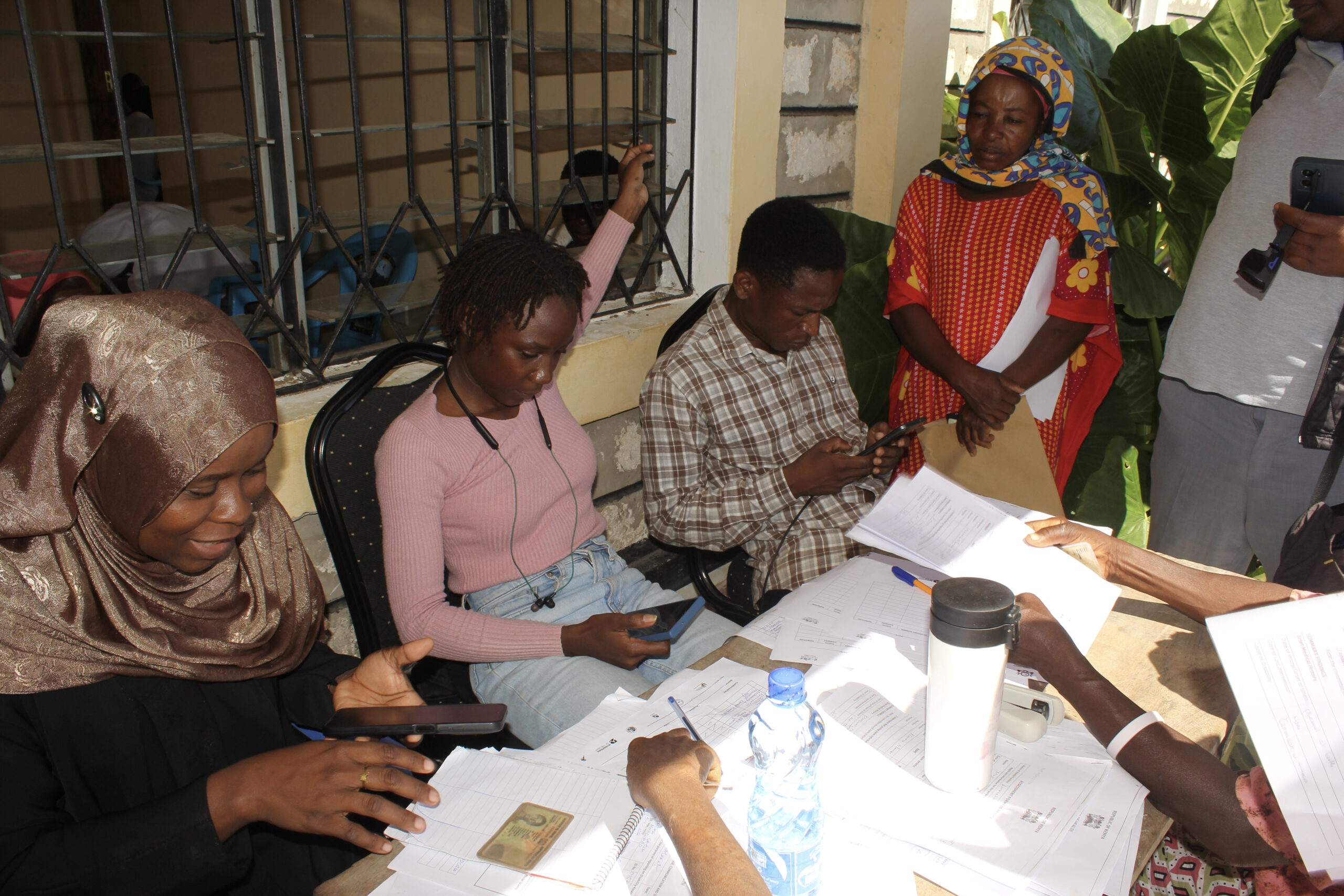
Speaking during a registration exercise at Kasarani in Vanga, NCPWD Kwale County Director Emily Mwembe said the initiative was designed to provide integrated services to persons with disabilities within their communities.
Mwembe said the exercise goes beyond registration, with beneficiaries also being assisted to obtain important documents and access essential services.
“We are conducting assessments and registering persons with disabilities so that they can obtain disability certificates, SHA registration, birth certificates and national identity cards, among other services,” she said.
She said the documentation would make it easier for persons with disabilities to access government assistance and other opportunities.
Mwembe said the approach was particularly important for children with disabilities, whose families often have to navigate different government offices to obtain the services they need.
G4G Founder and Director Priscah Mongera said the programme was prompted by the growing number of children, particularly in schools in Lunga-Lunga, who were struggling academically despite spending several years in the same class.
Mongera said the assessments would help identify children with intellectual and other difficulties affecting their ability to learn, allowing them to receive appropriate support.
“We have many children whose reading and writing milestones have not progressed despite repeating the same class for almost three years. This exercise is geared towards helping them,” she said.
She said early identification was critical in ensuring children facing learning difficulties receive the necessary support instead of being left behind without their underlying challenges being understood.
The outreach has also uncovered adults with disabilities who have never obtained national identity cards despite being over 18 years old.
Mongera said the lack of identification documents had prevented some of them from accessing essential government services and social protection programmes.
She said helping such individuals obtain the necessary documentation would open opportunities to support programmes aimed at improving their lives.
For Mwanamisi Mrichire, the outreach has provided a much-needed opportunity to have her child assessed and registered without travelling long distances.
Mrichire’s child lives with cerebral palsy, hearing impairment and physical disability, conditions that require regular support and access to specialized services.
She said the exercise had helped many parents register their children and have their needs assessed within their communities.
“It has helped us because it has been hard for many of us to get these services because of the distance and cost,” she said.
She said bringing the services closer to families had eased the burden on parents while giving them a better understanding of the support available for their children.
