



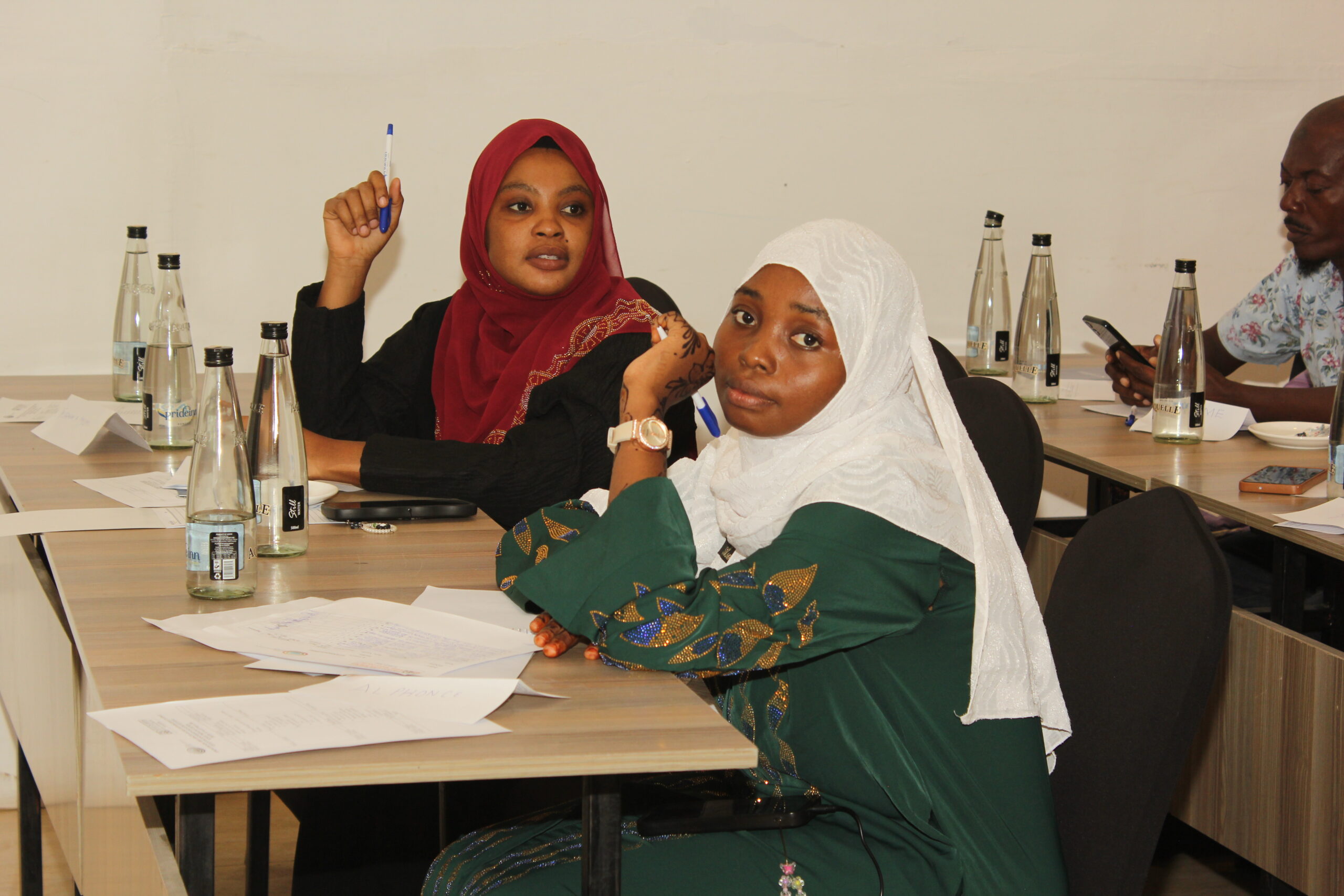
By Shaban Omar
A section of civil society organizations in Kwale County is demanding transparency and clearer communication from the county government over the implementation of the Financing Locally Led Climate Action (FLLoCA) programme, citing confusion, inadequate public engagement, and limited community involvement.
Kwale, a county long affected by erratic rainfall patterns, declining agricultural yields and recurring droughts, has struggled to contain worsening food insecurity, especially in Kinango and Lunga-Lunga sub-counties.
In recent years, both the national and county governments have introduced various interventions to cushion communities against climate shocks.
Among them is the World Bank-funded FLLoCA programme, implemented in partnership with other development actors, and aimed at enabling communities to identify, plan, budget for and implement climate adaptation projects.
Counties receive direct funding to strengthen resilience to droughts and floods and promote sustainable livelihoods at the grassroots. Some interventions in Kwale include water supply and conservation projects intended to address persistent shortages.
But civil society groups said the programme’s implementation has been marred by inadequate disclosure and poor public sensitization.
Kwale Civil Society Consortium representative Mahmud Baro said residents are unable to distinguish between county-funded projects, those financed through the National Government Constituencies Development Fund (NG-CDF), and those supported under FLLoCA.
He said the lack of clarity undermines accountability and weakens community ownership.
“At the moment there is a lot of confusion because we cannot tell which projects belong to the county government, which ones are funded through CDF, and which are part of FLLoCA. There is no transparency on who financed the projects or how the surrounding communities are expected to benefit,” Baro said.
He accused the county government of taking credit for projects supported by development partners without proper acknowledgment.
According to him, civil society groups are keen to ensure value for money but feel the implementation has not adhered to the programme’s intended framework.
Baro said the groups plan to review the formation and operations of ward-level FLLoCA committees, including how members were selected and how they monitor ongoing projects.
“We demand accountability and value for money. We want to know how much money has been used, how the committees were selected, and how many projects have been completed so far,” he said.
Kanana-based activist Abdallah Chano also questioned the level of community engagement in identifying priority projects.
While acknowledging that FLLoCA is a commendable initiative, he said many residents remain unaware of it due to limited public communication by county officials.
He argued that inadequate awareness makes it difficult for citizens to hold duty bearers accountable or follow up on project progress.
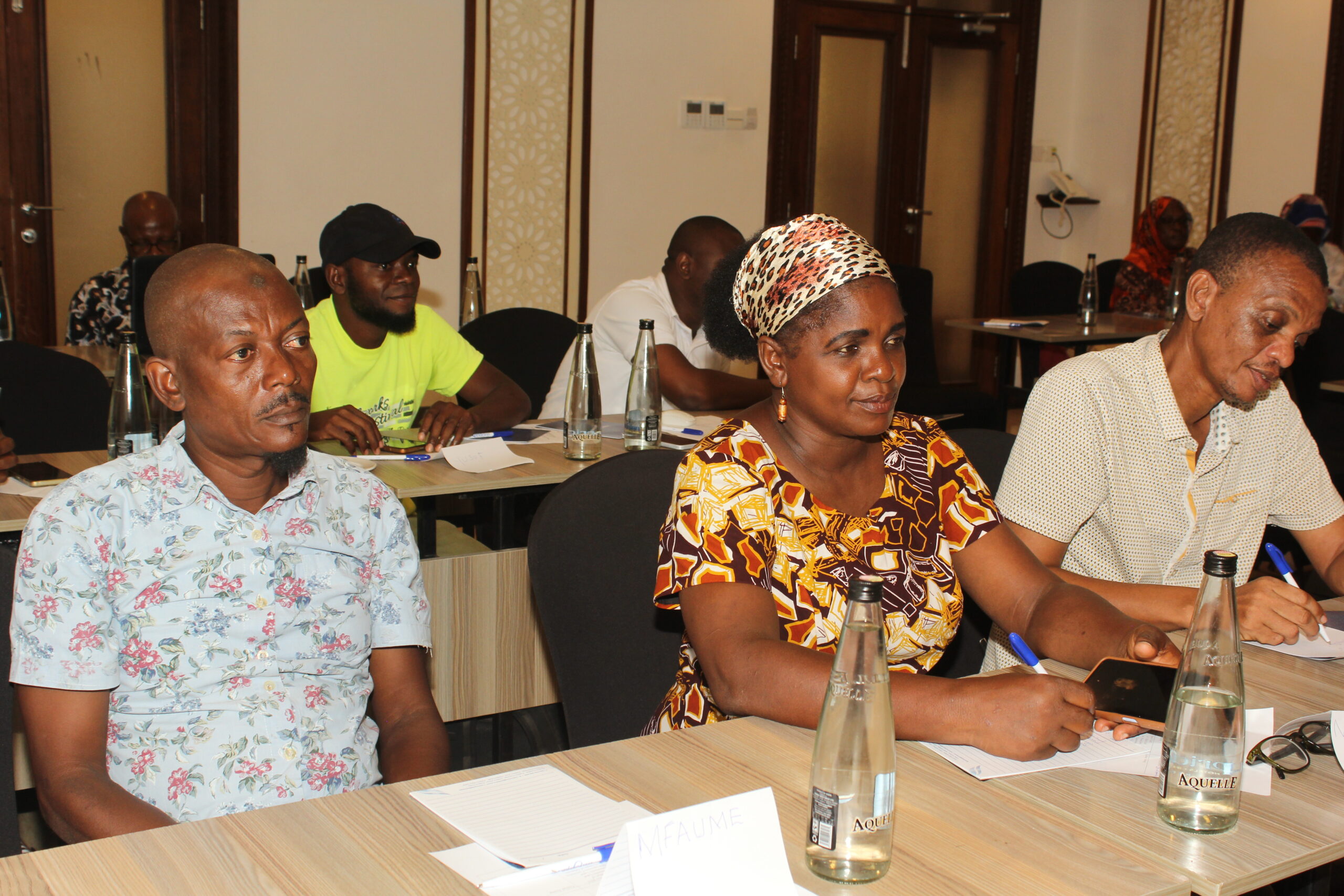
“Residents are confused; the majority have never even heard of the FLLoCA project. The county should be open and explain its purpose to citizens, including clearly labelling the sponsors on the projects,” Chano said.
He added that climate-resilient projects such as water pans, irrigation systems and conservation activities require strong community participation beyond the funding phase.
He warned that without proper ownership, the long-term impact of such investments could be compromised.
Chano called on the county to intensify public engagement through barazas, simplified information materials and regular briefings by ward committees on project budgets and timelines.
Denyenye-based activist Sikudani Alfonce echoed the concerns, stressing the need for stronger civil society involvement in overseeing FLLoCA activities.
She said CSOs play a critical role in helping communities understand the projects and in monitoring their execution to ensure transparency.
Alfonce urged residents to actively demand accountability for all projects introduced in their localities, saying meaningful participation is key to safeguarding public resources.
However, the county government maintains that substantial progress has been achieved under FLLoCA.
On January 30, 2025, while launching one of the projects in Kinango, Governor Fatuma Achani listed several interventions implemented through the programme.
She cited the rehabilitation of the Sagalato water pan and the Bofu Dam water distribution project in Kibandaongo among the initiatives funded under FLLoCA.
Achani commended the programme for helping address water scarcity in arid areas and for supporting efforts to combat climate change.
“As we continue to focus on the construction of dams, I want to encourage everyone to keep planting more trees to prevent further destruction resulting from climate change,” she said.
According to Achani, the county has so far constructed more than 17 large and medium-sized dams, drilled over 40 boreholes and extended more than 573 kilometres of water pipelines across Kwale.
