



By Shaban Omar
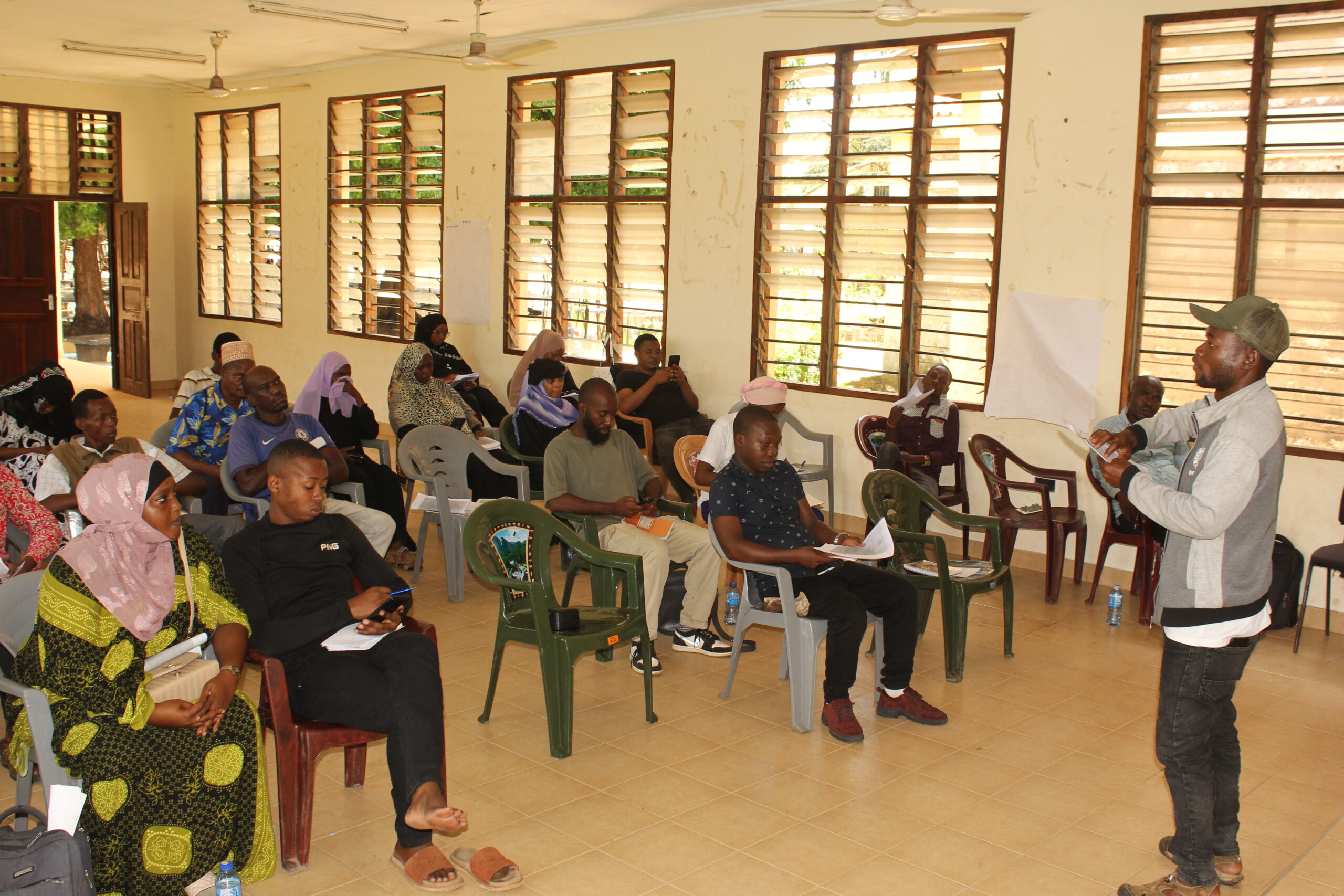
A section of Human rights defenders in Kwale County are calling for swift government action and stronger legal reforms to end statelessness in Kenya, saying thousands of long-marginalized people remain locked out of basic services despite living in the country for generations.
The activists warn that communities still face discrimination, slow vetting processes, and bureaucratic obstacles that prevent them from obtaining legal identity, barriers that continue to deny them access to healthcare, mobile registration, financial services, land ownership, higher education, and formal employment.
Led by rights advocate Ali Mwayanga, the group said the national government must ensure a fair and timely pathway to citizenship for all stateless persons as it finalizes the proposed Registration of Persons (Amendment) Bill, 2025.
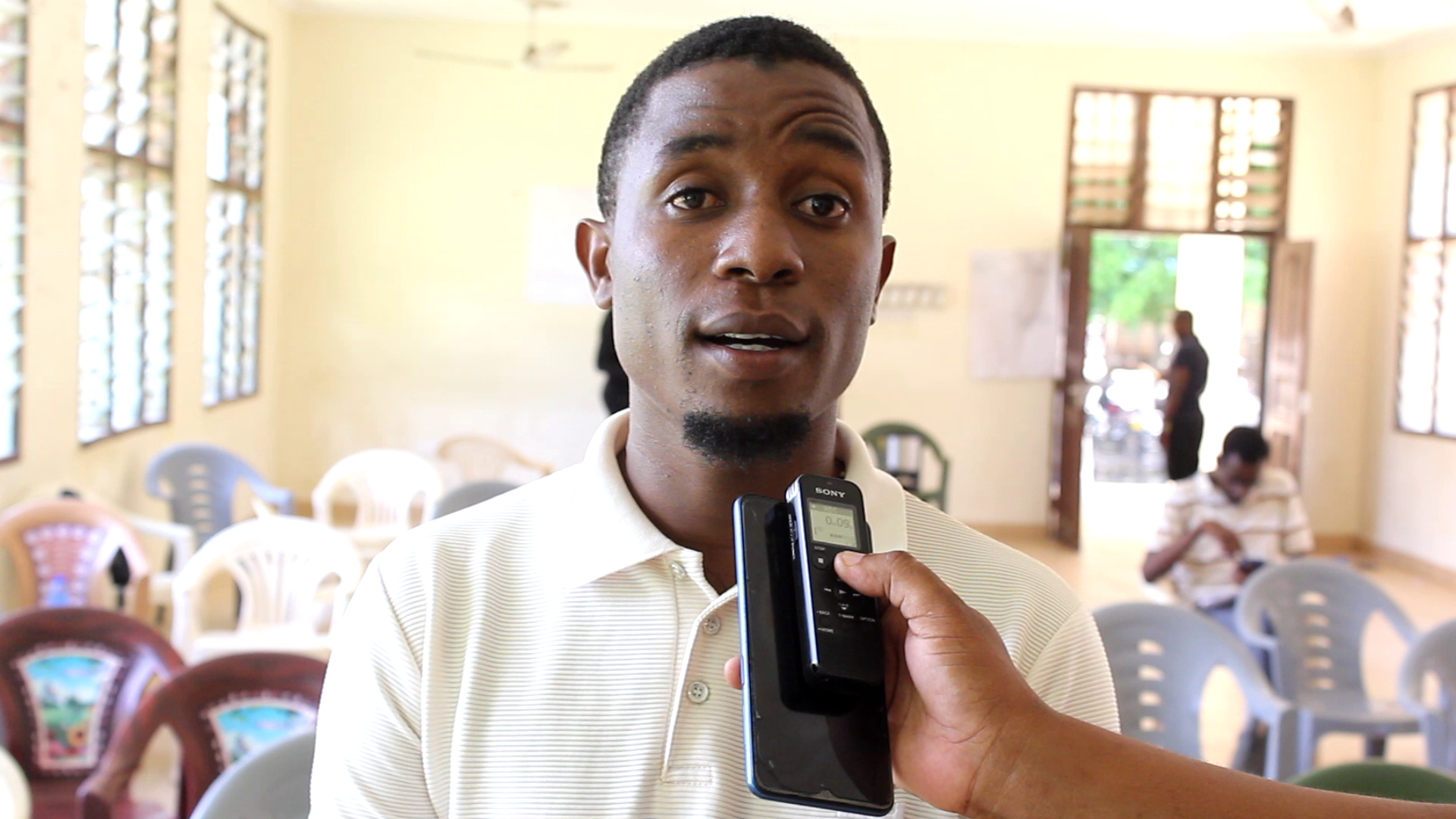
“We have so many people still sweating for citizenship, yet there are laws requiring their recognition,” Mwayanga said.
He added that government systems have failed vulnerable communities despite previous documentation efforts.
He noted that an earlier registration window for stateless persons lapsed before many could be processed, leaving families that have lived in Kenya since before independence still in limbo.
Mwayanga urged policymakers to include provisions for continuous, year-round registration of stateless persons and to establish help desks and mobile registration units in marginalized regions, saying many lack the money or documents needed to travel to registration centers.
He further called on coastal county governments to work with national authorities in mapping stateless communities and raising awareness to ensure no group is excluded during reforms.
The activist warned that statelessness fuels poverty and exposes individuals to exploitation, early marriages, human trafficking, and denial of justice, since undocumented people struggle to access legal systems.
He stressed that Kenya, as a signatory to international human rights conventions, is obligated to guarantee the right to nationality.
“Ending statelessness is not charity, it is justice. These communities have lived here for generations. Their home is Kenya,” Mwayanga said.
Another Kwale activist, Hamisi Magisu, said the bill is a positive step but requires strengthening to address long-standing gaps.
He urged the government to shorten the waiting period for national identity cards to two weeks, saying long delays are costing young people opportunities in employment, bursaries, and vocational training.
“With the electioneering period approaching, youths risk being locked out of voter registration if ID processing remains slow,” Magisu said.
Julia Mwihaki, another rights defender, said lack of citizenship has trapped many families in poverty, with stateless children struggling to access education and later facing employment barriers.
She noted that obtaining birth certificates and other essential documents has become almost impossible for many families because parents are required to present national ID cards—documents most stateless persons do not have.
