



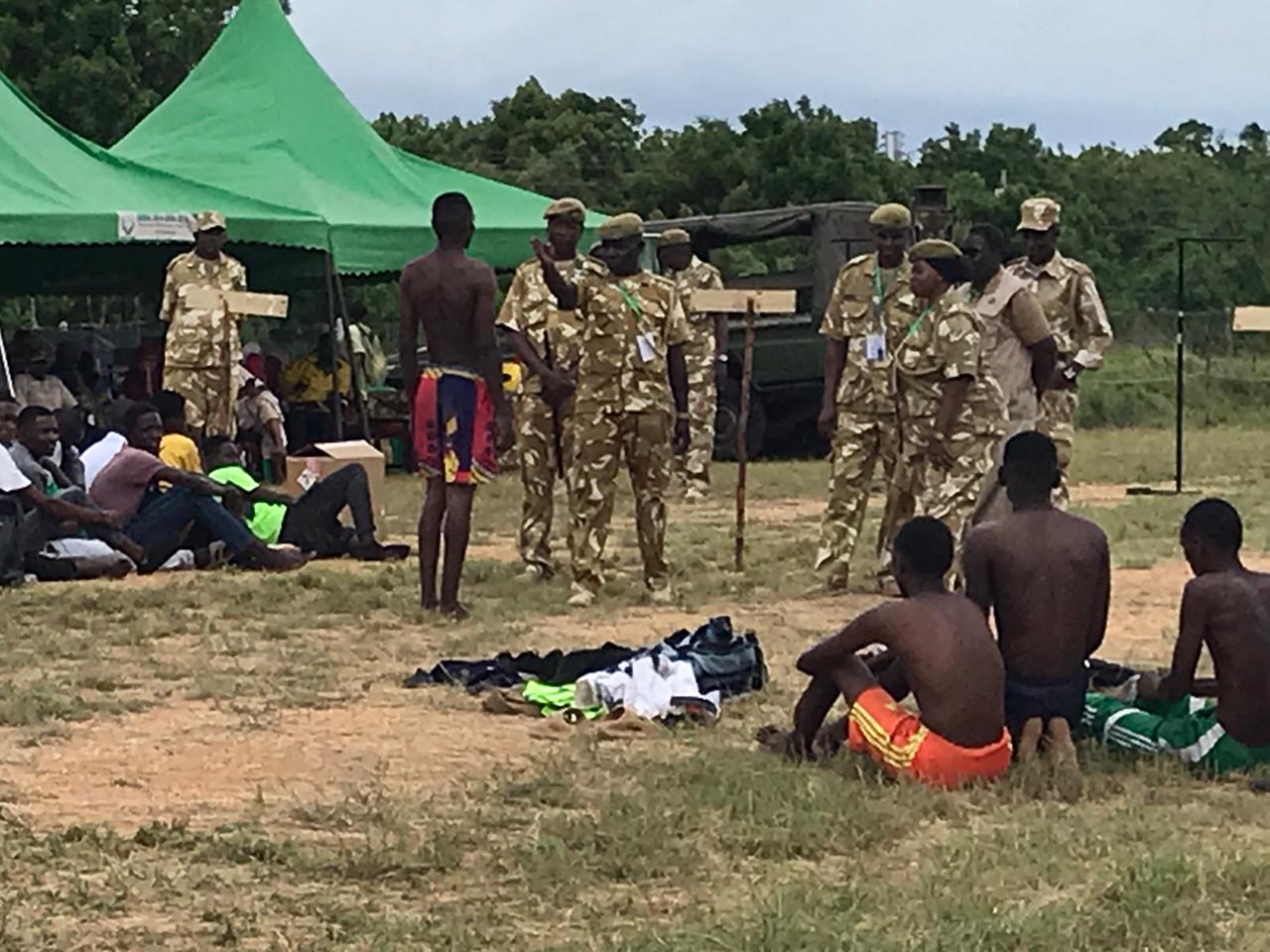
Lamu East MP Captain Ruweida Obo has voiced her apprehensions regarding the recent Kenya Wildlife Service(KWS) cadet recruitment process, citing concerns over fairness and transparency.
Speaking to the media today, the Lamu East legislator criticized the KWS for allegedly favoring recruits from Lamu West over Lamu East.
The nationwide recruitment exercise, spanning five days from April 15 to April 19, aimed to enlist rangers and assistant wardens.
Out of the total recruitment quota of 1,350 rangers and 150 cadets (assistant warden I), Lamu County was allocated 20 slots.
Captain Ruweida Obo highlighted what she perceives as disparities in the allocation of slots between Lamu East and Lamu West.
According to her statement, Lamu East secured only 4 slots, while Lamu West received 6.
She further emphasized that a significant portion of the positions went to National Youth Service (NYS) graduates based in Lamu, as per President William Ruto’s directive of reserving 80% of recruits in national security agencies and services for NYS graduates.
Expressing her dismay, Captain Ruweida Obo emphasized the abundance of game and marine reserves in Lamu East, suggesting that more opportunities should have been allotted to its youth.
The MP underscored long standing grievances regarding biased recruitment practices in Lamu County, particularly affecting Lamu East, which has historically been marginalized.
“Fairness in recruitment is essential for ensuring equitable distribution of opportunities across the country, especially in marginalized areas,” Ruweida remarked, urging for a more inclusive approach to government job recruitment.
In addition to her concerns about recruitment, Captain Ruweida Obo called upon the National Assembly and the executive to expedite the passage of the Wildlife Conservation and Management (Amendment) Bill 2023.
The bill, which she sponsored in 2019, seeks to address compensation for victims affected by wildlife attacks.
Highlighting the urgency of the matter, Ruweida emphasized the rising incidents of human-wildlife conflicts in the region.
She advocated for an expansion of the bill to include compensation for incidents involving sharks, stonefish, whales, and stingrays, which were previously excluded from the list of compensated wildlife species.
The National Assembly’s amendment of the Wildlife Conservation and Management Act in 2019 omitted several species from the compensation list, a move that Ruweida considers detrimental to victims of wildlife-related incidents.
