



By Shaban Omar
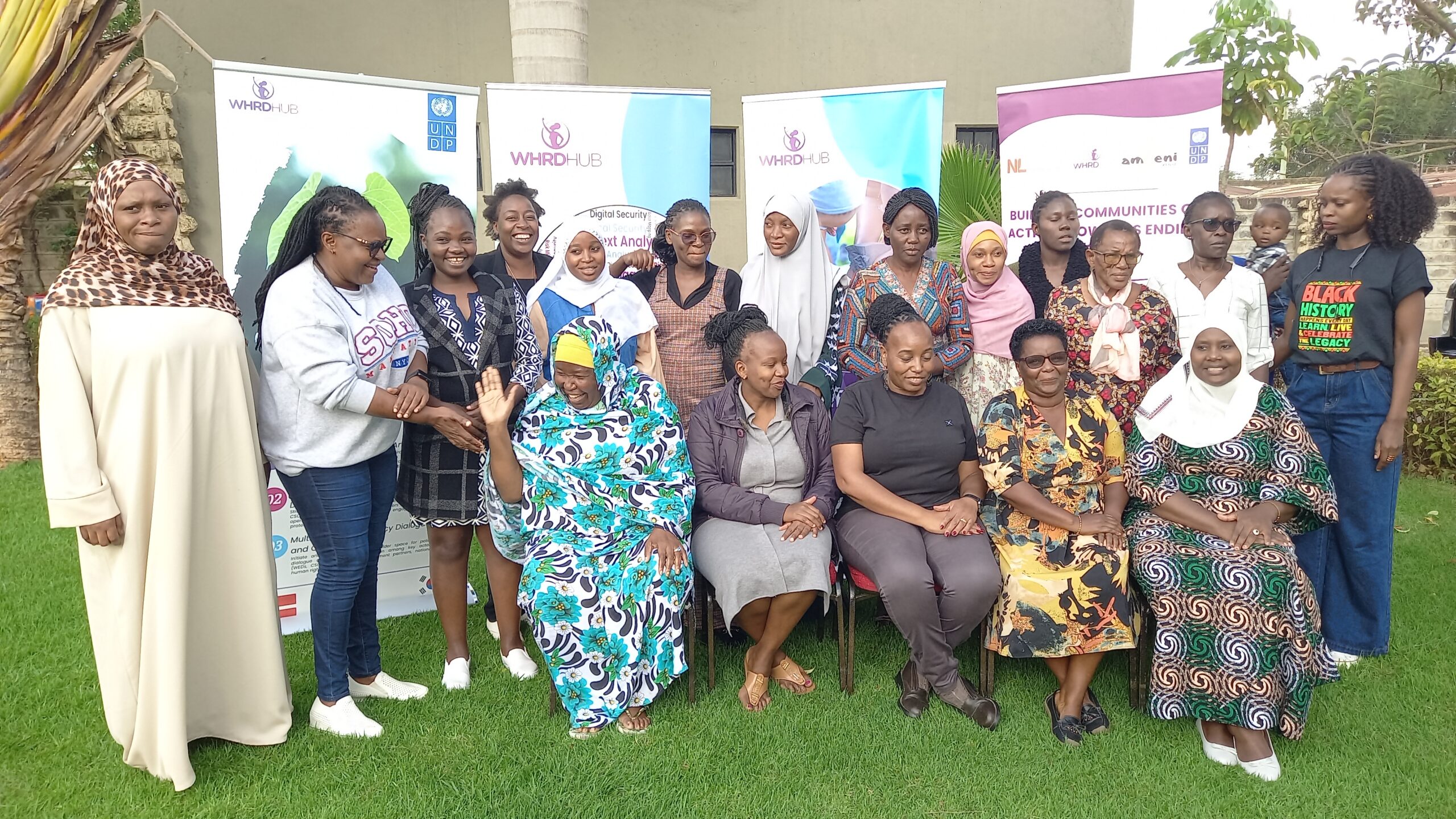
Women Environmental Defenders (WEDs) are often forgotten despite playing a critical role in shaping Kenya’s climate change mitigation efforts.
For years, many of these women have faced intimidation, harassment, and systematic exclusion.
Their organizations remain overlooked and chronically underfunded, even as they stand at the frontline of environmental protection in communities across the country.
This marginalization persists despite the existence of various international, national and county policies intended to safeguard and promote women’s participation in climate action.
Many of these frameworks remain poorly implemented, leaving WEDs exposed, unsupported, and unable to fully participate in decision-making processes that directly affect their work and safety.
However, the tide may be turning. Women Environmental Defenders across Kenya are now set to benefit from a year-long capacity-building programme focusing on climate change, access to funding opportunities, policy literacy, and personal security.
The initiative seeks to equip them with the tools needed to push back against systemic challenges and strengthen their role in advancing climate and environmental justice.
According to Women Human Rights Defenders Hub (the Hub) Executive Director Salome Nduta, the training programme follows recent research by their organization highlighting the legal, policy, and protection gaps affecting WEDs and allied journalists.
Nduta said the programme, themed “Protecting the Protectors: Strengthening Visibility and Capacities of WEDs,” aims to enhance both the visibility and resilience of women defending the environment.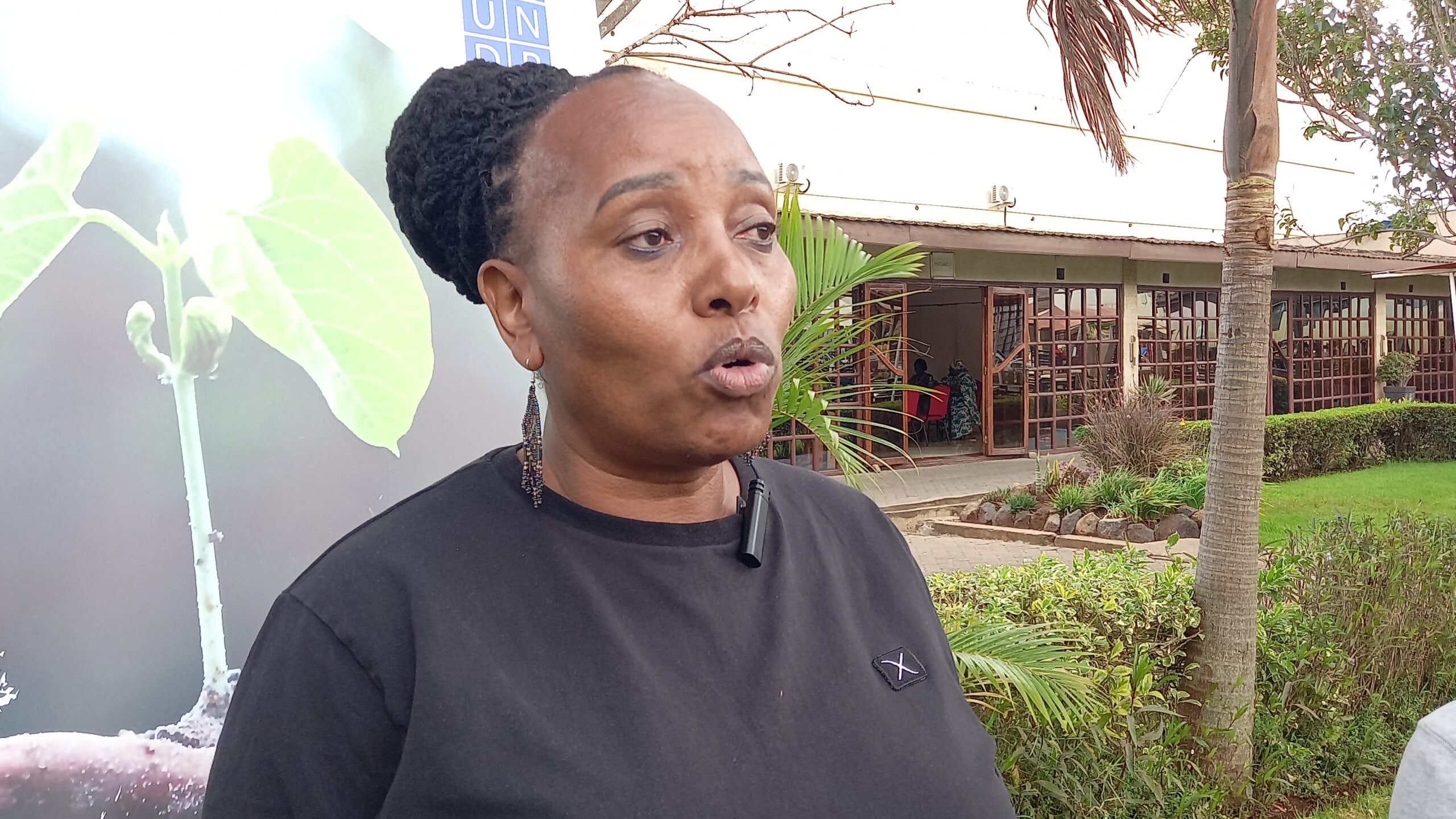
The project is being implemented in Kwale, Nairobi, and Kitui counties, regions identified as hotspots where a growing number of Women Environmental Defenders have reported harassment and threats linked to their advocacy work.
“Our role is to ensure we create awareness, give them necessary skills and empowerment to enhance the safety and security of WEDs,” she said.
She said women defenders are often threatened when they speak out against environmental pollution, deforestation, illegal extractive activities, and when they raise concerns about the transparency and accountability of carbon credit projects.
Nduta stressed that strengthening the protection and visibility of WEDs is essential to achieving Kenya’s climate goals.
She said the training also includes journalists, who will work alongside Women Environmental Defenders to highlight their challenges, showcase their solutions, document their achievements, and amplify ongoing climate action efforts.
“We have 21 participants, comprising both Women Environmental Defenders and journalists, who will work hand in hand to identify the injustices women have been facing and push for appropriate redress,” she said.
Climate Change and Gender Activist Terry Owino said it is crucial for women to understand key issues surrounding climate policies.
Owino noted that recent research shows women and children remain the most vulnerable to the impacts of climate change, yet they are often left out of critical decision-making spaces.
She said this makes it essential for women to be aware of the policies and legal frameworks they can rely on to challenge injustices, claim their rights, and advocate for meaningful inclusion in climate governance.
“It is very important for women to understand climate policies, because we cannot effectively advocate for change if they do not know them,” she said.
She emphasized that women defenders bring unique perspectives rooted in community realities, and their exclusion undermines sustainable climate action.
She added if there is no climate policies advocacy, women who are highly vulnerable will continue to suffer.
Owino noted that Kenya’s climate policy landscape still contains gaps and overlaps that must be urgently addressed.
She emphasized the need for stakeholders to consistently follow up on policy recommendations to ensure they are implemented and not merely documented.
Owino further pointed out that climate financing remains a major challenge, especially because the country continues to rely heavily on donor support rather than domestic resources to fund climate initiatives, particularly adaptation projects.
She also highlighted existing gaps in the implementation of the two-thirds gender rule, noting that these shortcomings must be addressed to strengthen inclusivity and ensure that women are fully represented in climate-related decision-making processes.
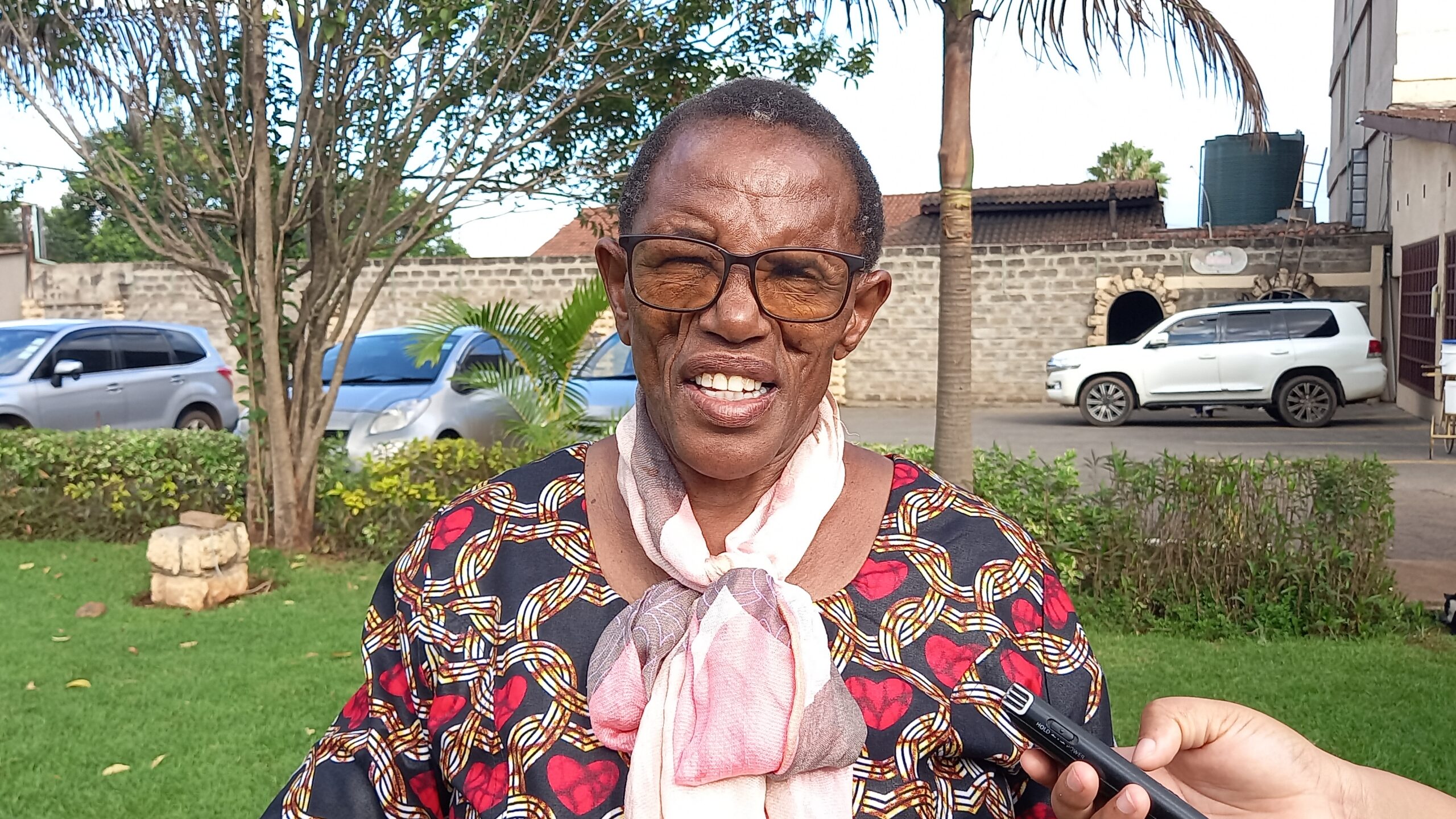
A Women Environmental Defender, Christine Thoma, welcomed the training, saying it had been highly educative
.
She said the sessions had enlightened them as defenders and reminded them of their role in supporting women, standing up against injustices, and holding perpetrators accountable.
Thoma added that the program also emphasized the renewed partnership in addressing both climate change and gender-based violence.
