



By Alloys Musyoka
When the heavy machinery finally went silent at the Base Titanium Kwale site in December 2024, many locals feared the worst.
For years, the South Dunes had been scooped out, its rich mineral sands extracted, leaving behind a scarred and gaping landscape.
In Kenya, the legacy of extractive industries is often written in abandoned, barren quarries. But today, the red dust has settled, replaced by a sweeping canopy of green.
In a historic first for the country’s mining sector, the Global Biodiversity Standard Organization, through the Center for Ecosystem and Restoration Kenya (CERK), has officially awarded Base Titanium an advanced certificate for ecological rehabilitation and restoration. The global certification spotlights the spectacular revival of the site’s South Dunes and its vital Biodiversity Corridor.
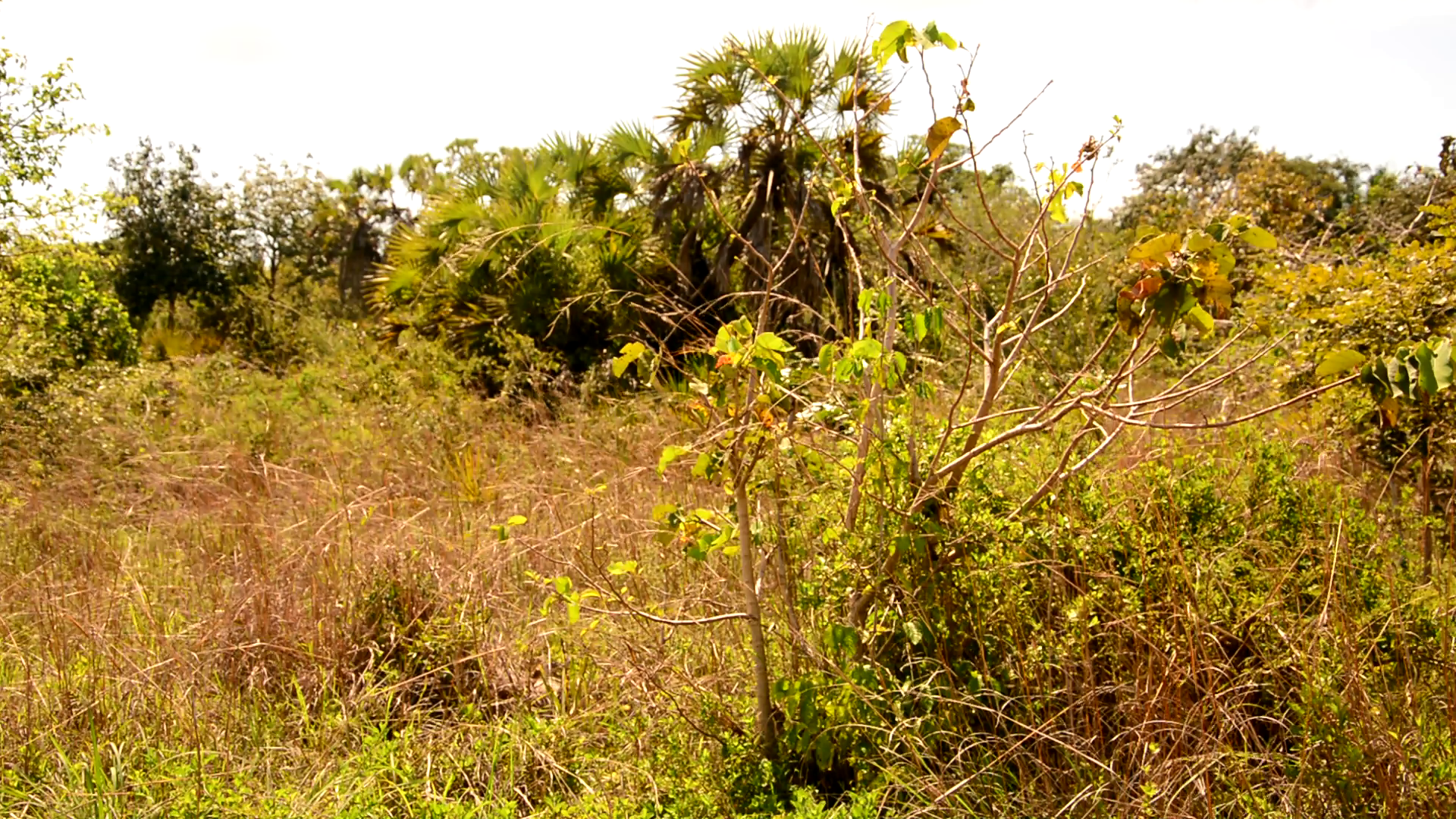
What was once an active industrial mine has been systematically stitched back into the local ecosystem. More than 400 indigenous tree species have been meticulously planted across the terrain, transforming a former heavy-mineral sands operation into a thriving, self-sustaining sanctuary.
For the communities living on the fringes of the mine, the transformation feels almost miraculous.
“We had deep doubts about whether this land could ever be saved,” admits Mwanaisha Mwang’ombe, a resident of the nearby Bumamani village. “But Base Titanium’s environmental restoration efforts have completely surprised us. The land is back to normalcy.”
Mwang’ombe’s sentiments are echoed across the ridges of Kwale. The mining company didn’t just plant trees; they planted trust. By involving local villagers, youth, and traditional leaders from the very beginning, they turned a corporate obligation into a community-led movement. The results have been so profound that Wang’ombe is now urging the government to grant the company further mining licenses in the region, pointing to them as a blueprint for responsible extraction.
A few kilometres away, Hamisi Salim, the chairperson of the revered Kaya Mwalimu Chano, looks out over the young forest with pride. In Kwale, the Kaya elders are the traditional custodians of the sacred forests. Winning their approval is no small feat.
The transformation isn’t just visually stunning; it is scientifically sound. The global certification was not handed out lightly. It required months of rigorous, independent auditing by conservation scientists.
“We conducted independent, ground-level research, and that is why we are awarding this certificate to Base Titanium for the areas we approved,” explains Jonathan Jenkins, the CEO of the Center for Ecosystem Restoration Kenya. “They have truly restored the land to its natural state. Most of the ecological zones where biodiversity matters have been brought back to their previous look.”
Jenkins notes that the return of life has been remarkably swift. “It is now easy for frogs, birds, and other wild animals to use these habitats again. Even the local streams that were heavily disturbed during the height of the mining activities are flowing and alive once more.”
Behind this ecological triumph is a dedicated team of environmental engineers, botanists, and community liaisons who refused to take shortcuts.
“We are incredibly grateful to see that our years of restoration efforts are finally yielding fruit,” says Dr. Melba Wasunna, the Country Manager for Base Titanium. She credits the national government departments, the Kaya elders, and local residents for forming an unbreakable coalition for the environment. “They all played a major role in working with us to ensure this restoration was done correctly.”
Rebuilding an ecosystem from scratch requires an immense amount of botanical data. Mica Muema, Base Titanium’s Head of Environment, reveals that introducing over 400 distinct tree species was a deliberate strategy to mimic the complex biodiversity of the coastal tropical forests. “It has taken the collective, tireless effort of the Base Titanium team, the community, and countless stakeholders to receive this global restoration award,” Muema notes.
Perhaps the most delicate piece of the ecological puzzle was the restoration of the region’s hydrology. Mining drastically alters how water moves through the earth, often swallowing up swamps and seasonal marshes forever.
For Dr. Nick Okello, an Environmentalist at Base Titanium, bringing back the water was a personal mission.
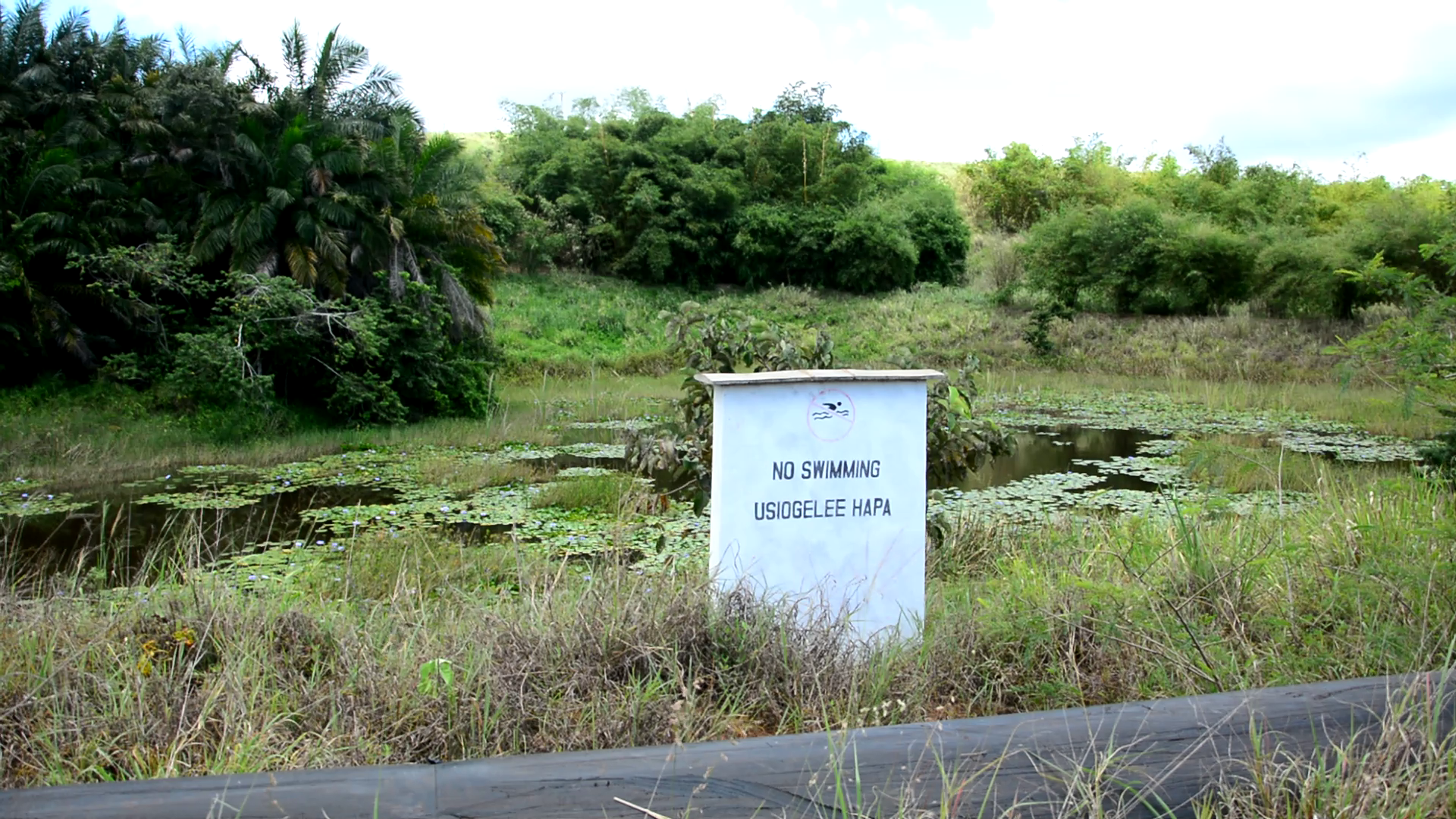
“Restoring the wetlands that existed here before mining was one of our absolute priorities, and that has been highly successful,” Okello says proudly. “There are now about 15 distinct wetlands thriving within the restored mined land. These aquatic pockets are absolutely critical for sustaining the broader biodiversity of the area.”
As the trees grow taller and the wetlands deepen, the South Dunes of Kwale are setting a new global benchmark. Base Titanium has proven that the end of a mine’s lifecycle does not have to mean the death of the land. Instead, with enough scientific precision, community ownership, and corporate will, it can be the birth of a brand-new wilderness.
