



By Shaban Omar
The national government, through the Ministry of Mining, has kicked off the process of establishing Community Development Agreement Committees (CDACs) in Kasemeni Ward, Kinango Sub-County, Kwale County, to ensure mining-affected communities benefit fully from local mineral resources.
The initiative follows a directive by Mining Principal Secretary Harry Kimtai, who ordered stricter accountability for mining companies and emphasized the need for host communities to receive tangible socio-economic benefits from extractive activities.
Residents had petitioned the PS, raising concerns over an increase in local companies harvesting sand, stones, pebbles and other materials without giving back to the community.
The communities had further argued that despite operating for years and making millions of shillings, the firms have not contributed to community development, yet locals continue to bear the environmental and social burden of mining.
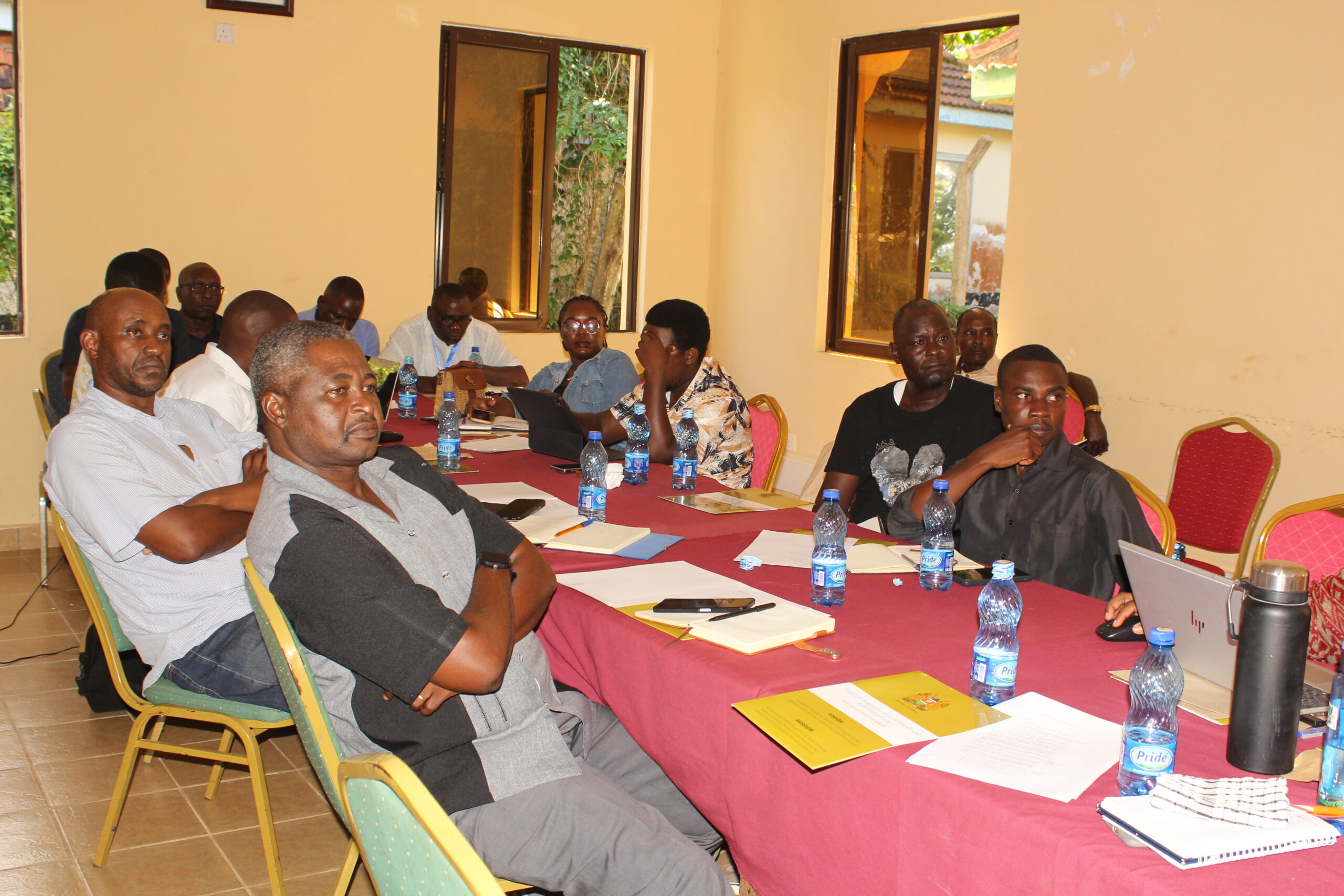
Speaking during a consultative meeting at the Kwale Headquarters boardroom in Matuga, County Mining Officer Dickson Mbijiwe said the formation of CDACs is a legal requirement under the Mining Act, 2016.
He said that the Act stipulates that any holder of a mineral right must enter into a CDA with the affected community and contribute at least one percent of their annual gross revenue toward local development projects.
“As you know it’s a requirement by the law and we had a good engagement with various stakeholders and going forward you will see that residents’ demands are met,” he said.
Bijiwe said the formation of the CDACs is expected to create a structured framework through which communities can negotiate and secure benefits such as infrastructure development, environmental protection and job opportunities among others.
He noted that there are nearly six active quarries spread across Kasemeni Ward, including the Mwache and Mnyenzeni sites, where several companies are conducting ballast mining operations.
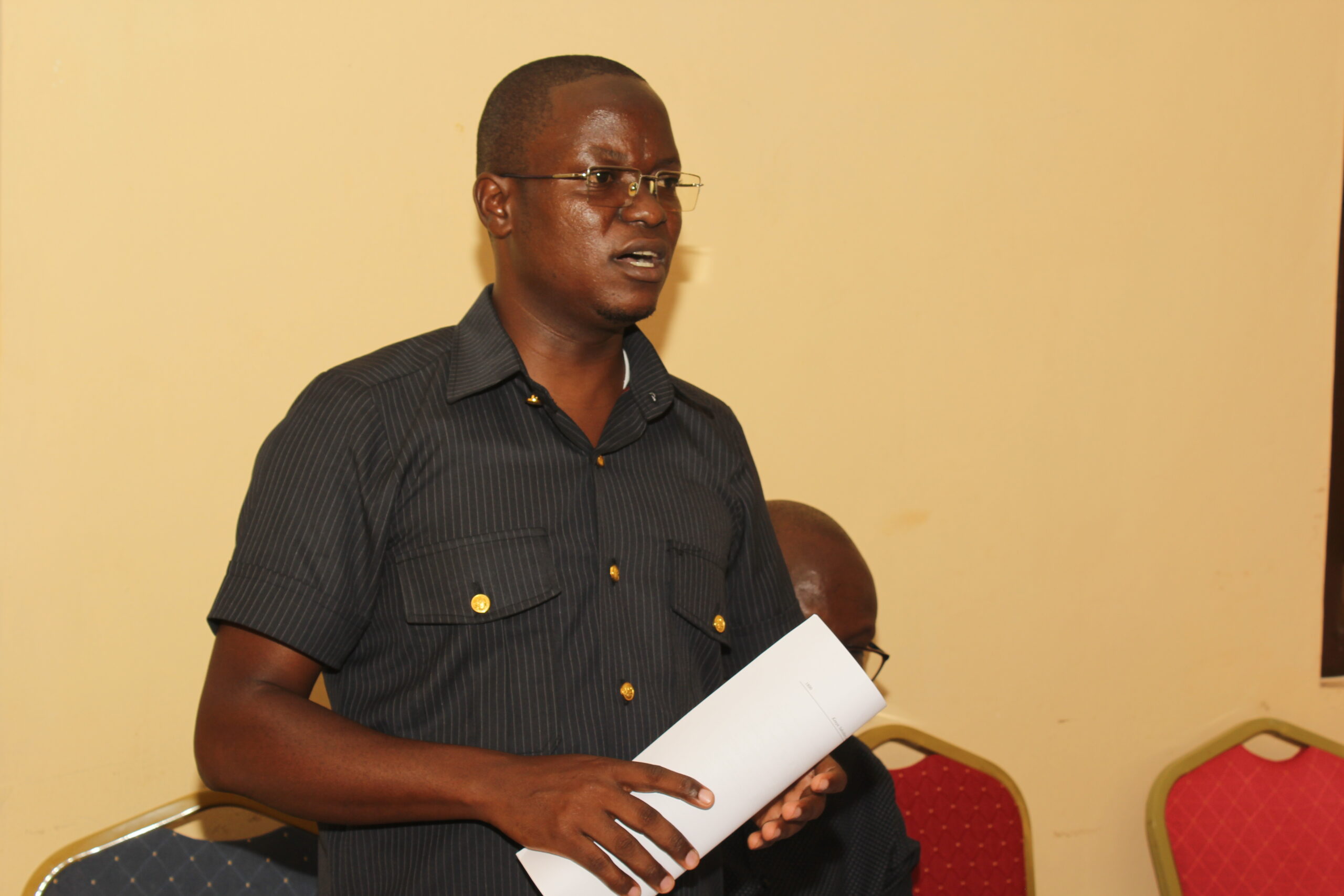
Representing the governor, Antony Yama welcomed the government’s initiative, saying it marks a significant step toward securing justice and meaningful benefits for communities living around mining zones.
Yama said previous efforts to hold local mining companies accountable had proved difficult, as none of the operators were willing to take responsibility for the social and environmental impact of their activities.
He added that with the establishment of CDACs, mining companies will now be compelled to contribute a mandatory share of their revenue to community development.
“The one percent will go directly to support development projects within the affected areas,” he said.
Yama said the next step will be to engage communities in an awareness campaign on the importance of CDACs, after which elections for committee members will be conducted.
He added that the selected names will then be forwarded to the Mining Cabinet Secretary for approval before being gazetted.
Yama urged all stakeholders to put aside blame games and embrace a new chapter built on peace, cooperation and mutual benefit.
He warned that confrontations would only delay development and derail the long-awaited gains that residents of Kasemeni Ward have been seeking for years.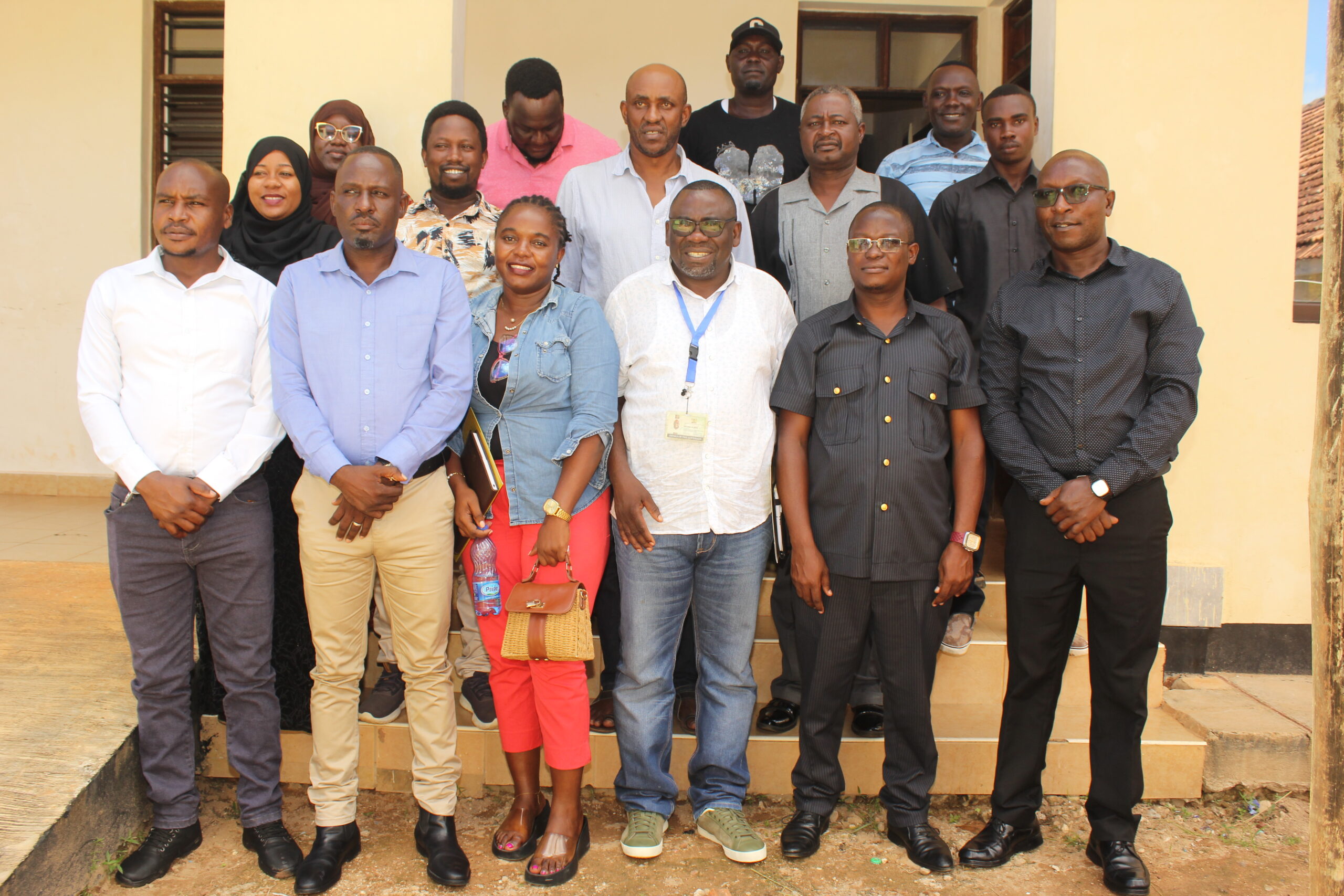
Kasemeni wars MCA Safari Victor Nyanje said they have a two-month window to engage the community before signing the Community Development Agreement.
According to Nyanje, the operationalization of the CDACs will play a critical role in promoting sustainable and responsible mining and quarrying practices across Kasemeni Ward.
He noted that local residents have endured numerous environmental and health challenges for years, including excessive dust, heavy blasting vibrations and noise pollution.
“The mining activities have had several challenges, ranging from health hazards to the destruction of roads caused by heavy machinery, as well as constant noise,” he said.
Nyanje added that the one percent contribution from mining companies will at least help address some of the long-standing problems that communities have faced for decades.
