



By Alex Kalama
The empowerment of more than 8 Blue Economy Enterprise women’s groups in Kilifi County through the ReSea Project is not only transforming livelihoods but also reshaping gender dynamics, positioning women as central leaders in community development and environmental conservation.
Funded by Global Affairs Canada and implemented by Mission inclusion, the International Union of Conservation of Nature (IUCN) and Groots Kenya , the project has distributed equipment worth KSh 12 million to women-led groups.
But beyond the tools, the initiative is redefining women’s roles in Kilifi’s economy and society.
Deputy Governor Florence Chibule, speaking at the handover ceremony at Buntwani Waterfront Park in Malindi, emphasized the significance of women’s leadership.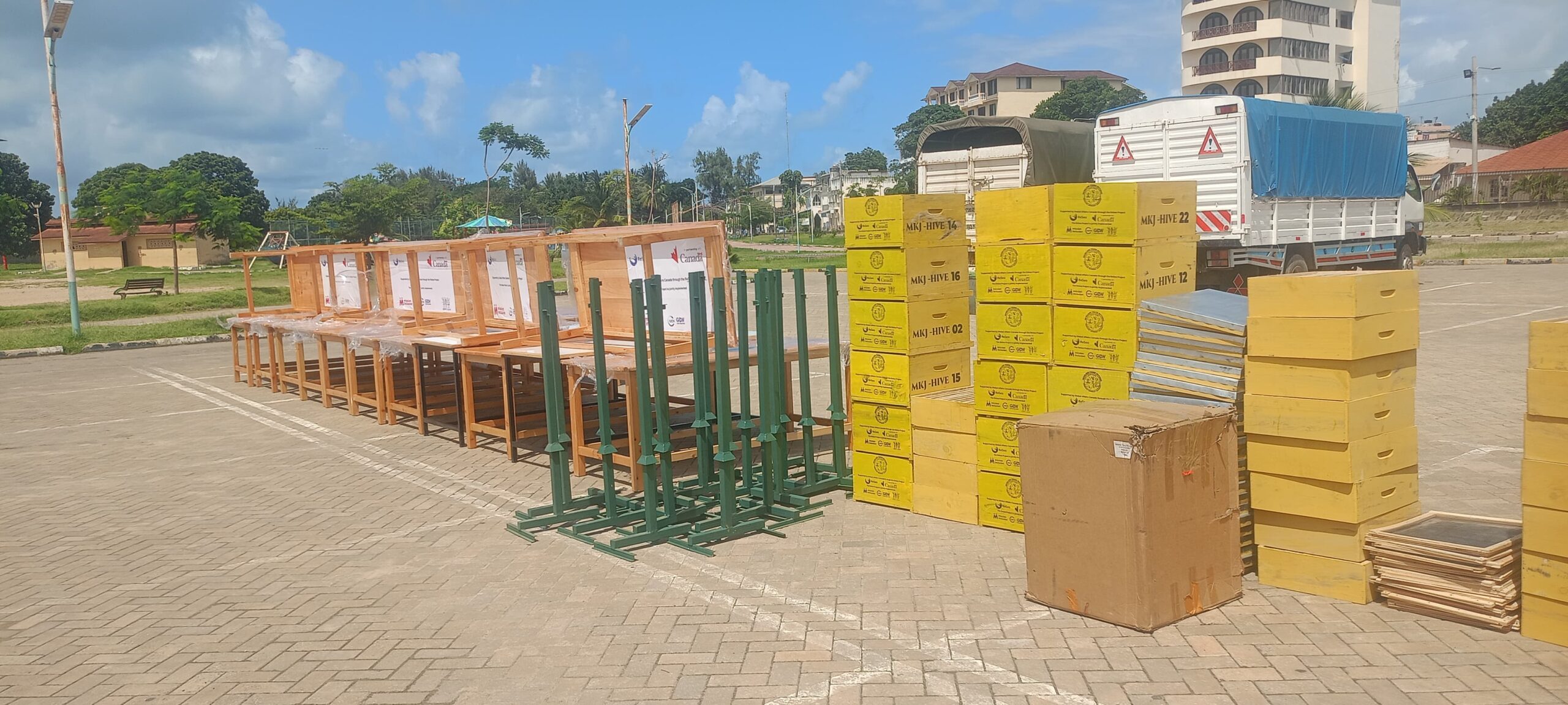
“This project is about more than equipment. It is about recognizing women as leaders, innovators and protectors of our environment. When women thrive, the entire community thrives.”
Shella ward MCA Twahir Abdulkarim added.
“For too long, women have been sidelined in economic development.
The ReSea Project shows that women can lead businesses, manage resources and drive conservation.”
For many women, the project represents a break from traditional limitations.
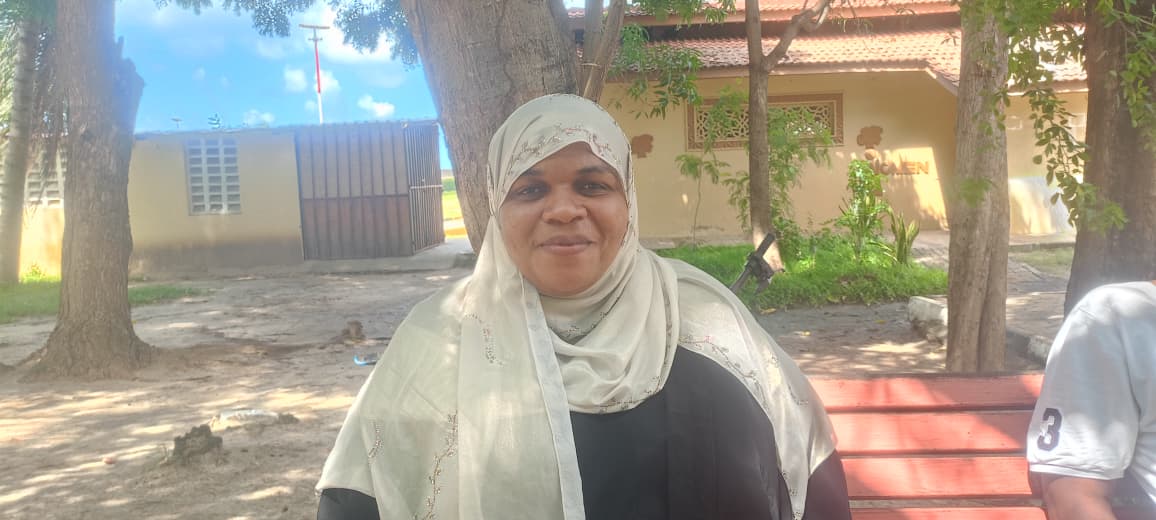
Amina Hamisi Hemed, chairperson of Mida Bidii Yetu na Kazi group, said.
“I never went to school, but now I can run a business. The training gave us dignity and hope. We are no longer just participants we are leaders.”
Her group, based at Mida Creek, has begun professionalizing eco-tourism services with laptops, solar power and modern kitchen equipment.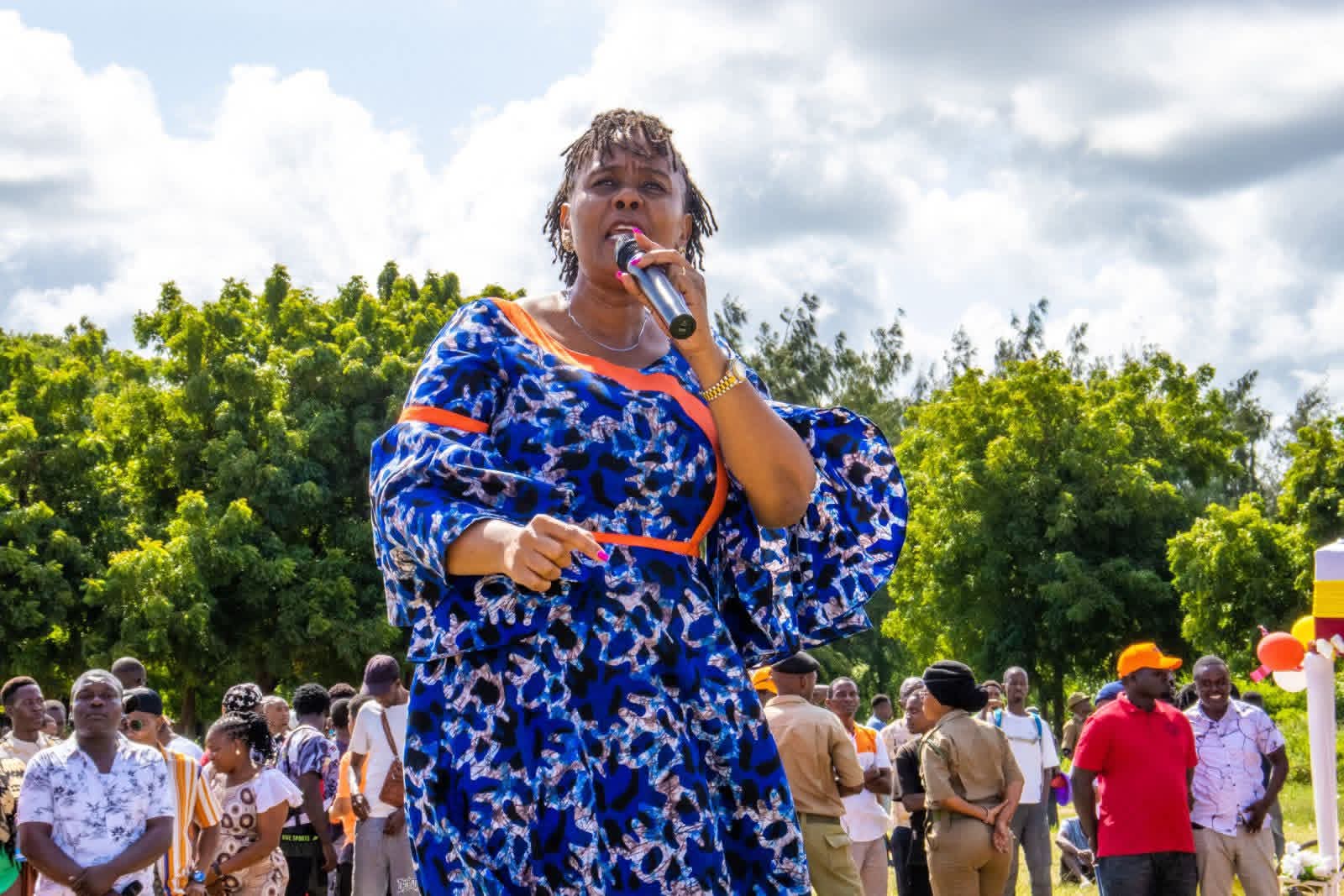
“By December, I believe our group will be completely transformed,” she added.
Latifa Abdalla, chairperson of Shella Pwani Women Group, explained how the project has enabled them to establish an eco-tourism hotel.
“We had the vision but lacked the tools. Now, with freezers, laptops, and gas cookers, we can run a complete hotel.
This support has given us hope. We can now dream bigger, and our businesses will finally stand on their own.”
The project also highlights women’s role in environmental stewardship.Lilian Achieng Ouma, leader of Mkwajuni Young Mothers, shared.
“We used to place hives randomly on trees, not knowing mangrove honey was superior. The project taught us proper hive management that providing shade, water, and flowers. Now our honey production has improved dramatically.
We have received modern bee hives, smokers, and laptops to keep records safely. The equipment helps, but the knowledge stays with us forever. That is what will truly change our lives.” She added.
The ReSea Project has also challenged cultural perceptions. Trainers adapted their methods to local languages, including Kiswahili and Giriama, ensuring inclusivity for women with limited formal education.Hemed reflected.
“Before, many of us had no confidence. Now, we can speak, plan, and lead. We are no longer invisible.”
By linking women’s empowerment with eco-tourism and conservation, the ReSea Project demonstrates how gender equality can drive sustainable development.
Deputy Governor Chibule concluded.
“This is a model for how empowerment and conservation can go hand in hand.
Women are not just beneficiaries they are leaders shaping Kilifi’s future.”
