



By Alloys Musyoka
Health advocates in Kilifi have intensified efforts to sensitize Kenyans on the benefits of adopting plant-based diets, saying increased awareness is critical for healthy living and for addressing the rising burden of diet-related illnesses across the country.
They noted that despite the availability and affordability of plant-based foods, many Kenyans remain misinformed about their nutritional value, often associating such diets with people who cannot afford meat-based meals.
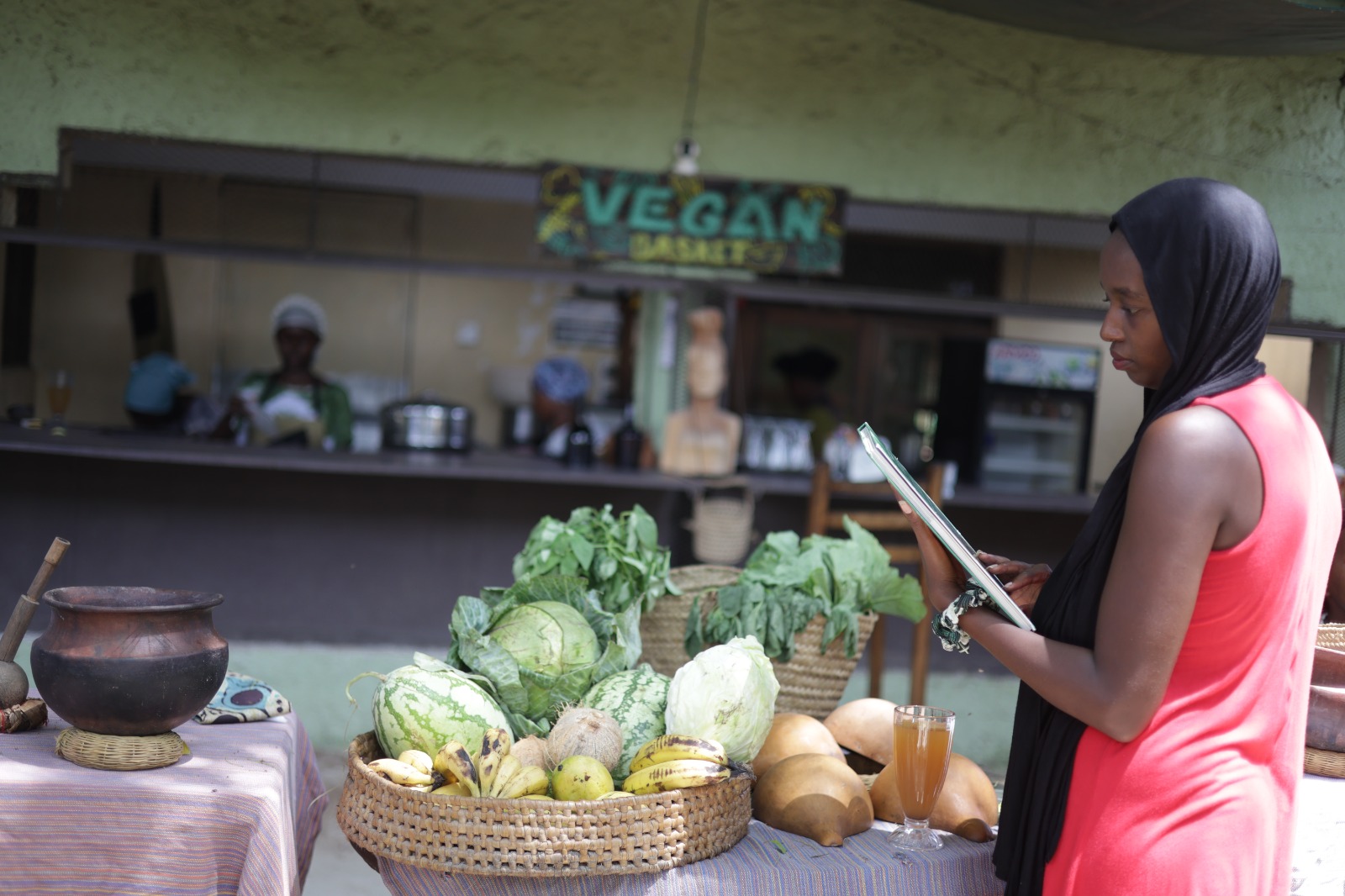
Speaking during the closing ceremony of the Vegan Restaurant Week in Kilifi, the advocates led by vegan champion Virginia Ruguru emphasized that a well-balanced plant-based diet is one of the healthiest options and can help prevent lifestyle diseases such as diabetes, hypertension, and obesity.
Ruguru, who is also the co-manager of Thrive Africa, a plant-based food movement organization, said health advocacy is not about eliminating all animal products but encouraging people to increase their intake of whole plant foods to reduce health risks.
“Plant-based foods have always been part of our culture. This is the food our parents and grandparents ate, but today with globalization and aggressive marketing we are seeing a shift towards less healthy diet trends,” she explained.
Plant-based products expert Steve More urged families to embrace plant-based meals and reduce dependence on processed foods to minimize frequent illnesses and increase life expectancy.
“Communities that consume 100 percent plant-based diets tend to live longer and experience fewer health complications, provided the diet remains well-balanced,” he said.
“We have witnessed the benefits even among young children who are on plant-based diets they rarely suffer from ailments,” he added.
The advocates warned that the younger generation, which is heavily exposed to modern fast-food culture, is already experiencing lifestyle-related health conditions and could face long-term health risks if dietary habits do not change.
However, some youths have embraced vegan living and are championing healthy lifestyles by spreading awareness among their peers about the importance of reducing or eliminating animal products.
Gladys Mumbi, a Gen Z from Malindi, dismissed the belief that plant-based foods are for the less fortunate, stressing the need for a mindset shift.
“The mentality that plant-based products are for the poor is a skewed and misinformed perception. As we can see, Western countries are increasingly adopting plant-based alternatives because of their health benefits,” she said.
She urged young people to become more health-conscious and to protect their bodies from future health crises by being mindful of their eating habits today.
Health advocates believe that with continuous awareness efforts, more Kenyans will embrace plant-based diets and significantly reduce their risk of diet-related diseases.
