



By Jemimah Gambo
For decades, parental involvement in Kenyan education has been largely synonymous with mothers.
Schools traditionally reached out to mothers first, reinforcing the perception that academic responsibility belonged to women, while fathers remained distant providers of school fees.
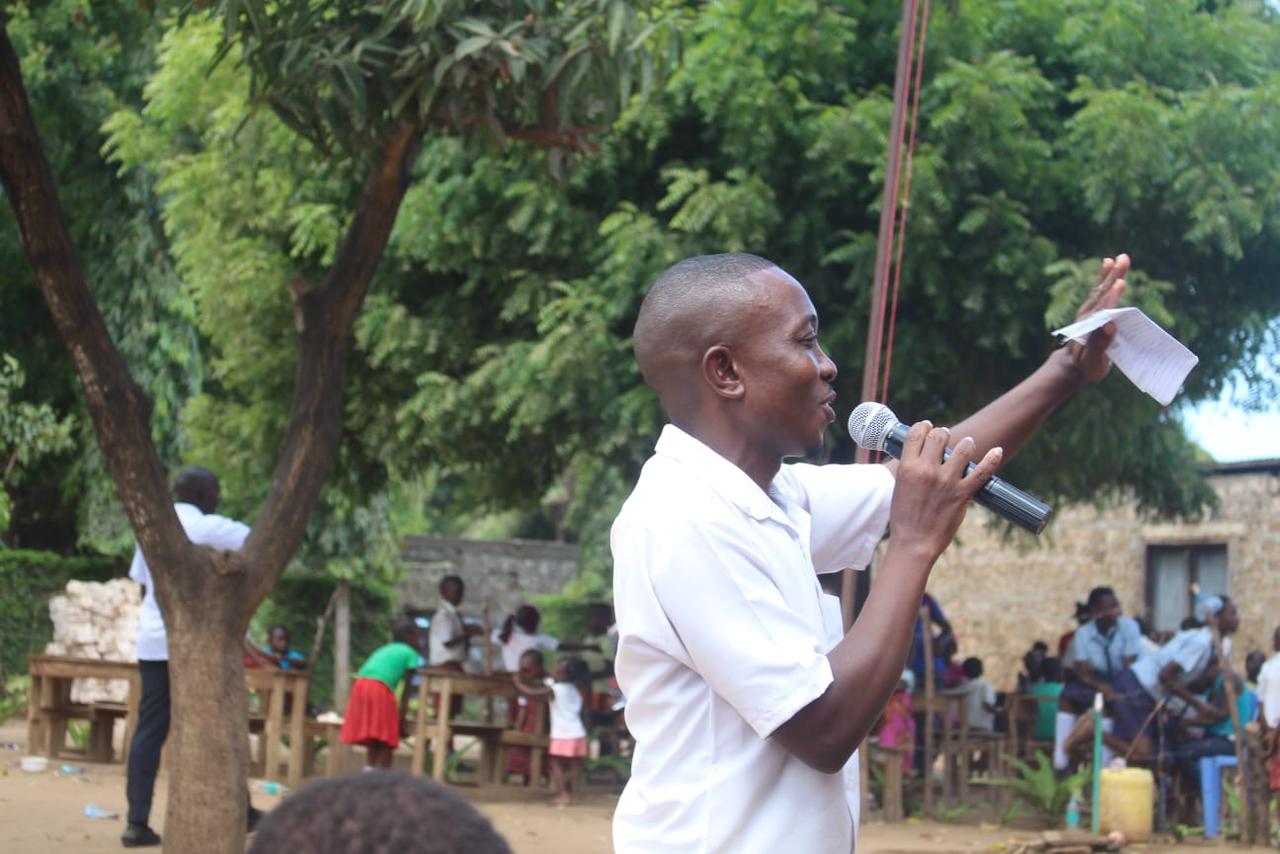
Today, a quiet revolution is underway. A growing movement of fathers dubbed Fathers for Light is redefining parental engagement, proving that when men step into the classroom, children’s academic and emotional potential expands dramatically.
William Jeffa, father of three daughters, embodies this transformation.
“I realized that just paying fees wasn’t enough,” he says. Jeffa began sitting with his daughters during homework, attending academic clinics, and listening to their struggles.
The results were immediate: improved grades and soaring confidence.
His advocacy now extends beyond his home. Jeffa challenges schools to stop treating fathers as “silent partners” and instead create father-friendly engagement programs.
“Fathers should not only be called when fees are due,” he insists. “They should be essential partners in the entire journey.”
The Curriculum That Changed Everything
Kenya’s Competency-Based Curriculum (CBC) has been controversial, but for many fathers, it has been a wake-up call.
Allan Otulla, an electrical engineer, explains.
“CBC forced me to stop being an ‘ATM father’ and start being a mentor. Homework became our bonding time, and I realized no paycheck could buy that relationship.”
By demanding parental involvement in projects and practical assignments, CBC has dismantled the old excuse of being “too busy.”
Homes are becoming shared le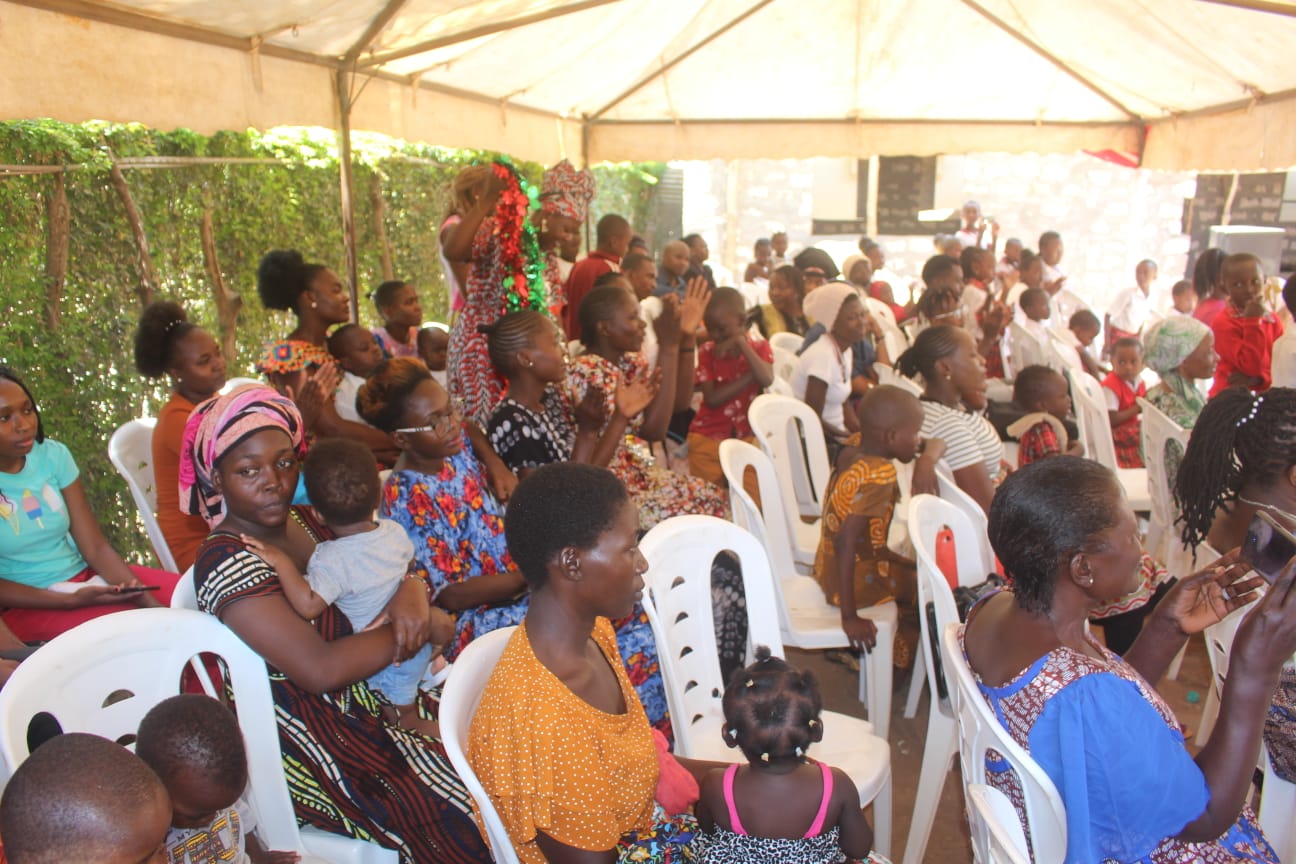 arning spaces, with fathers actively guiding their children’s education.
The impact of intentional fatherhood echoes across lifetimes. Dr. Ruth Chakwe, now a medical doctor at Nairobi Hospital, recalls her father’s unwavering presence during her years at Bura Girls National School.
“He never missed a single academic meeting,” she says. “His commitment fueled my ambition and pushed me to excel.”
Her story illustrates how paternal involvement can shape not only academic outcomes but also long-term aspirations.
Yet challenges remain. Educationist Victor Juma laments the “sea of mothers” at school meetings and calls for systemic reforms.
He argues that schools must stop defaulting to mothers for communication and instead actively recruit fathers into the academic space.
Supporting this view, Dr. Nelly Otube of Kenyatta University identifies the “feminization of the school space” as a key barrier.
She explains that schools often operate as extensions of the domestic sphere, unintentionally excluding men.
This exclusion, coupled with cultural pressures that tie a father’s worth to financial provision, has created generations of “ghost fathers” in education.
Her research calls for Gender-Responsive Pedagogy school systems that respect working fathers’ schedules and create father-friendly forums, especially for parents of children with special needs.
As Kenya advances into the 21st century, the definition of masculinity is shifting.
A “strong man” is no longer just the provider of light but the one who sits beside his child, guiding them to discover their own.
The Fathers for Light movement is more than a cultural trend it is a structural reimagining of education.
By dismantling stereotypes and systemic barriers, it is proving that intentional fatherhood is not only transformative for children but essential for the nation’s future.
Fathers for Light: Breaking Gender Barriers in Kenyan Education
By Jemimah Gambo
For generations, Kenyan society has drawn a sharp line between maternal and paternal roles in education.
Mothers managed homework, uniforms, and parent-teacher meetings, while fathers were expected to provide fees from a distance.
This division reinforced the stereotype that education was a “domestic” responsibility, best left to women.
Today, that narrative is being challenged. A growing movement of men, known as Fathers for Light, is breaking cultural barriers and proving that fatherhood is not just financial provision but active partnership in learning.
William Jeffa, father of three daughters, recalls the moment he realized his role had to change.
“I realized that just paying fees wasn’t enough,” he says.
He began helping with homework, attending academic clinics, and listening to his daughters’ struggles.
The results were immediate improved grades and greater confidence.
Jeffa now advocates for schools to stop treating fathers as “silent partners” and to create father-friendly programs that dismantle the discomfort men often feel in female-dominated school spaces.
Kenya’s Competency-Based Curriculum (CBC) has been controversial, but for many fathers it has been a turning point. Allan Otulla, an electrical engineer, says CBC forced him to rethink his role.
“CBC made me stop being an ‘ATM father’ and start being a mentor,” he notes.
By joining his sons in assignments, Otulla discovered that education could be a bridge between his professional world and his family life.
By requiring hands-on parental involvement, CBC has blurred traditional gender lines, turning homes into shared learning spaces where fathers and mothers contribute equally.
The ripple effect is evident in stories like that of Dr. Ruth Chakwe, now a medical doctor at Nairobi Hospital.
Her father’s consistent presence during her secondary school years fueled her ambition.
“He never missed a single academic meeting,” she recalls. “His commitment made me want to honor that sacrifice. It pushed me to excel.”
Her story illustrates how fathers can model equality by stepping into roles traditionally reserved for mothers, inspiring daughters and sons alike to see education as a shared family priority.
Educationist Victor Juma argues that schools must stop defaulting to mothers for communication.
“Where are the fathers?” he asks. “Their absence sends a silent message that education is a domestic issue, not a life-defining priority.”
Dr. Nelly Otube of Kenyatta University adds that systemic barriers reinforce stereotypes. She identifies the “feminization of the school space” with meetings scheduled during working hours and communications addressed to “Mum” as a key factor.
Her research calls for Gender-Responsive Pedagogy school systems that actively recruit fathers and create inclusive forums that respect working men’s realities.
As Kenya advances into the 21st century, fatherhood is being redefined.
A strong man is no longer just the provider of fees but the partner who sits beside his child, guiding them through challenges.
The Fathers for Light movement is not only transforming classrooms but also dismantling patriarchal norms.
By breaking stereotypes and balancing parental roles, it is proving that intentional fatherhood is both a cultural revolution and a step toward gender equality in education.
Ends.
Fathers for Light: Breaking Gender Barriers in Kenyan Education
By Jemimah Gambo
For generations, Kenyan society has drawn a sharp line between maternal and paternal roles in education.
Mothers managed homework, uniforms, and parent-teacher meetings, while fathers were expected to provide fees from a distance.
This division reinforced the stereotype that education was a “domestic” responsibility, best left to women.
Today, that narrative is being challenged. A growing movement of men, known as Fathers for Light, is breaking cultural barriers and proving that fatherhood is not just financial provision but active partnership in learning.
William Jeffa, father of three daughters, recalls the moment he realized his role had to change.
“I realized that just paying fees wasn’t enough,” he says.
He began helping with homework, attending academic clinics, and listening to his daughters’ struggles.
The results were immediate improved grades and greater confidence.
Jeffa now advocates for schools to stop treating fathers as “silent partners” and to create father-friendly programs that dismantle the discomfort men often feel in female-dominated school spaces.
Kenya’s Competency-Based Curriculum (CBC) has been controversial, but for many fathers it has been a turning point. Allan Otulla, an electrical engineer, says CBC forced him to rethink his role.
“CBC made me stop being an ‘ATM father’ and start being a mentor,” he notes.
By joining his sons in assignments, Otulla discovered that education could be a bridge between his professional world and his family life.
By requiring hands-on parental involvement, CBC has blurred traditional gender lines, turning homes into shared learning spaces where fathers and mothers contribute equally.
The ripple effect is evident in stories like that of Dr. Ruth Chakwe, now a medical doctor at Nairobi Hospital.
Her father’s consistent presence during her secondary school years fueled her ambition.
“He never missed a single academic meeting,” she recalls. “His commitment made me want to honor that sacrifice. It pushed me to excel.”
Her story illustrates how fathers can model equality by stepping into roles traditionally reserved for mothers, inspiring daughters and sons alike to see education as a shared family priority.
Educationist Victor Juma argues that schools must stop defaulting to mothers for communication.
“Where are the fathers?” he asks. “Their absence sends a silent message that education is a domestic issue, not a life-defining priority.”
Dr. Nelly Otube of Kenyatta University adds that systemic barriers reinforce stereotypes. She identifies the “feminization of the school space” with meetings scheduled during working hours and communications addressed to “Mum” as a key factor.
Her research calls for Gender-Responsive Pedagogy school systems that actively recruit fathers and create inclusive forums that respect working men’s realities.
As Kenya advances into the 21st century, fatherhood is being redefined.
A strong man is no longer just the provider of fees but the partner who sits beside his child, guiding them through challenges.
The Fathers for Light movement is not only transforming classrooms but also dismantling patriarchal norms.
By breaking stereotypes and balancing parental roles, it is proving that intentional fatherhood is both a cultural revolution and a step toward gender equality in education.
