



By Primerose Omoto
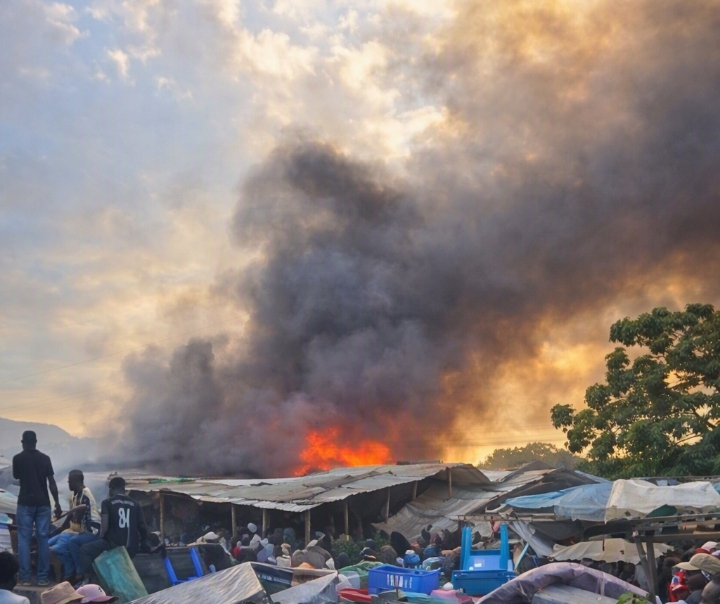
Property worth millions of shillings was destroyed on Monday, September 22, 2026, after a massive fire tore through a wholesale shop at Ibiza Market in Ukunda, Kwale County. The fire broke out around 3:00 pm, quickly spreading and gutting businesses housed within the Mali Mali section of the market, a busy commercial hub serving Diani and Ukunda town.
The flames engulfed low-rise structures with corrugated metal roofs, with dense black smoke rising high into the sky. Large crowds gathered, with many traders seen pulling out mattresses, plastic chairs and other goods as they watched helplessly.
Peter Njeka of the Kenya Navy, confirmed the incident said emergency services received a distress call at approximately 3:00 p.m. and found the shop fully ablaze upon arrival. “When we reached the scene, the fire was already well burning strong,” Njeka said. “The blaze was intense that it posed significant challenges for us.”
The cause of the fire is still unknown and investigations are currently underway. At 15:22 on Sept 22, several shops were destroyed and the cause was established to be sparked by a metal welding project done too close to a pile of matresses. The fire has reignited anger over emergency preparedness in Kwale. The incident revealed that Kwale County has no working fire engine as the fire raged on for six hours.
The Kwale County Government is yet to issue a formal statement on the extent of losses or its plan to support the affected traders. No casualties have been reported but traders are calling for urgent support to rebuild.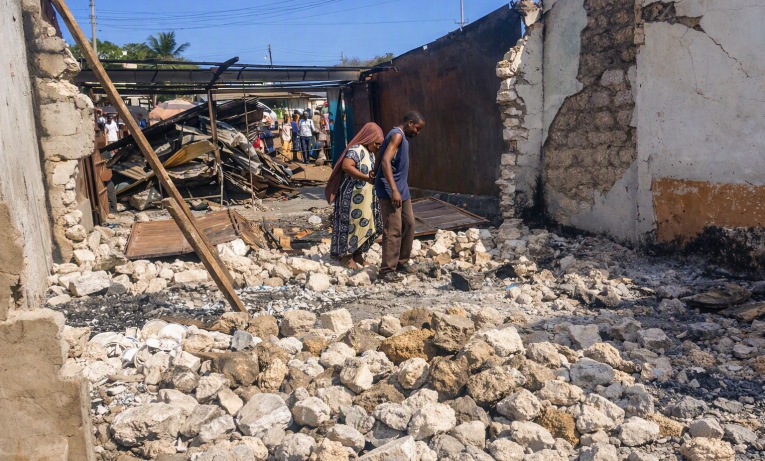
The fire at the Ibiza commercial area in Ukunda, Kwale County, is confirmed to have destroyed ten shops, leaving traders devastated and exposing the county’s weak firefighting capacity. Witnesses described panic, looting, and chaos, while authorities admitted that the county trucks arrived late and without water, further compounding the tragedy.
The blaze broke out late Tuesday night, quickly engulfing a row of shops selling liquor, clothing, electronics, and household goods. Traders tried to salvage their wares, but the intensity of the flames made it impossible to salvage any goods. One liquor store owner, Ali Omar, said, “Not only did the fire consume my stock, but looters took advantage of the chaos and carried away crates of alcohol. I have nothing left.” His account highlights how disasters in Kenya often compound into law-and-order breakdowns, with opportunistic theft worsening losses.
Other witnesses painted a grim picture. Fatuma Ali, who ran a boutique, said, “I watched helplessly as my business went up in flames. Everything I worked for was gone in minutes.” Peter Mwangi, a boda boda rider who rushed to help, added, “We tried to fight the fire with buckets of water, but the dark, sooty smoke made it difficult to save much. The fire spread so fast and the Kenya Navy fire trucks came late.” Residents like Amina Hassan described the panic “
The critical intervention from the Kenya Navy’s Diani branch helped prevent further spreading of the fire. Peter Njeka, a navy officer, explained, “Our fire truck arrived before the county trucks did and helped a great deal. Without our response, the damage would have been far worse.” His statement underscores the reliance on external support when county resources fail.
Authorities confirmed that ten shops were destroyed, including liquor outlets, clothing boutiques, electronics stalls, and small household goods shops. Kwale County Fire Officer Joseph Mwakio acknowledged the scale of the disaster, saying, “The intensity of the blaze made containment difficult. The incident has revealed that safety measures are seriously lacking in the area.”
The damage caused by the fire has reignited debate about Kwale’s firefighting capacity. The county reportedly has two fire trucks, but only one is functional at any given time due to frequent breakdowns. Even when operational, the trucks face water supply challenges, as they must refill from boreholes or distant reservoirs, delaying response times. This lack of capacity means fires often spread unchecked, leaving traders and residents vulnerable.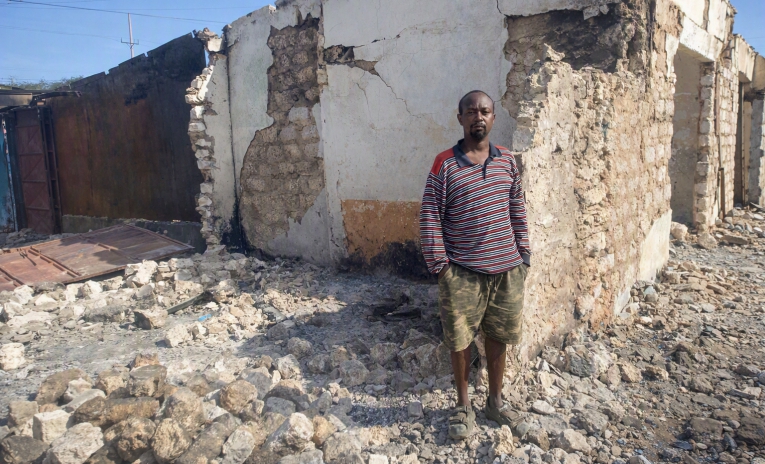
This was not an isolated incident. Ukunda has now suffered three major fires in September alone. The previous blaze occurred at rental houses near Millennium Hotel, displacing families and destroying property. The increasing frequency of such incidents has alarmed residents, who fear that poor infrastructure and lax in the enforcement of safety standards are putting lives and livelihoods at risk.
Kenya Power has also weighed in, noting that illegal and faulty wiring is likely to cause more incidents. Especially in Ibiza, where many shops reportedly shared the same line, leading to dangerous overloading. A Kenya Power spokesperson explained, “We suspect that illegal connections and overloaded wiring systems are behind some of the fire incidents. Without proper regulation and safety compliance, such disasters bound to reoccur.”
The aftermath is dire and traders are appealing for government and NGO support to rebuild while calling for investment in reliable firefighting infrastructure. The destruction of shops selling everyday essentials means families in Ukunda will feel the economic pinch immediately, with livelihoods disrupted and goods scarce.
This fire is not just a tragedy for the affected traders; it is a stark reminder of the systemic weaknesses in Kenya’s county-level disaster preparedness. Without adequate trucks, water, and trained personnel, communities remain exposed to avoidable devastation. The Ibiza fire in Ukunda, coupled with the earlier Millennium Hotel rentals blaze, has become a rallying point for residents demanding accountability and better protection against future disasters.
