



By Shaban Omar
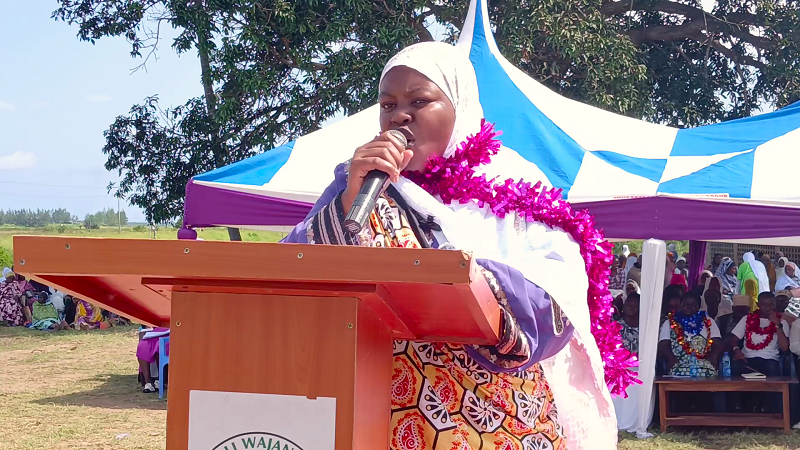
Tuwajali Wajane Founder and Executive Director Mwanasha Gaserego has urged Members of Parliament to support the Widowed Persons Protection Bill 2026, saying the proposed law will provide long-overdue protection and empowerment for thousands of widows facing social, economic and legal challenges across the country.
The bill, sponsored by Come Together Widows and Orphans Organization and presented by Rarieda MP Otiende Amollo, is currently before the Public Accounts Committee before advancing to the next stages of the legislative process.
Speaking in Kwale, Gaserego called on lawmakers to put politics aside and support the bill, describing it as a critical intervention for vulnerable women who are often left without adequate protection after the loss of their spouses.
“This bill is not about politics or individuals. It is about protecting widows and ensuring they live with dignity and equal rights,” she said.
Gaserego said many widows face discrimination, exclusion from inheritance, property disputes and limited access to social protection programmes.
She noted that the number of widows continues to grow, making it necessary for the government to establish a legal framework that safeguards their rights and welfare.
According to her, the bill seeks to address these challenges by providing legal protection, access to justice and socio-economic empowerment opportunities.
She the bill also proposes the establishment of rescue centres staffed with counsellors and trauma-healing experts to support widows coping with emotional and psychological challenges following the death of their spouses.
She said the legislation would further guarantee access to legal services and professional advice, particularly on inheritance, succession and property ownership matters.
, the bill proposes empowerment programmes focusing on skills development, financial literacy and income-generating opportunities to help widows achieve economic independence.
Gaserego said widows currently rely heavily on support from well-wishers and charitable organizations, an approach she described as costly and unsustainable.
She noted that once enacted, the law would require annual government funding for programmes targeting widows, ensuring structured and long-term support.
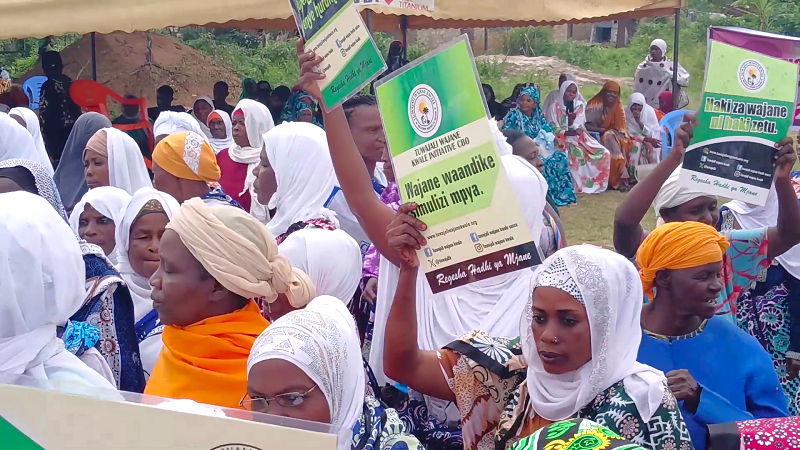
Data from Tuwajali Wajane shows that at least 1,018 widows had registered with the organization’s support groups in Kwale County by May 2026, highlighting the growing need for stronger legal and social protections.
Kwale County Gender Officer Nelly Amoite called on communities to respect and support widows, stressing that they are entitled to the same rights and opportunities as all other citizens.
“Widows should not be discriminated against or marginalized. Communities must stand with them and protect their rights,” she said.
A widow, Priscila Chula, appealed to both government and non-governmental organizations to strengthen efforts aimed at empowering widows economically.
She said many widows struggle to provide basic needs for their families due to unemployment and lack of support.
“We have no jobs, yet we are expected to pay rent, school fees and provide food for our children on our own,” Chula said.
She expressed hope that the Widows Protection Bill 2026 would provide stronger legal protection, expand support services and create opportunities for widows to rebuild their lives with dignity and independence.
End
